

Understanding the Change with Confidence and Care
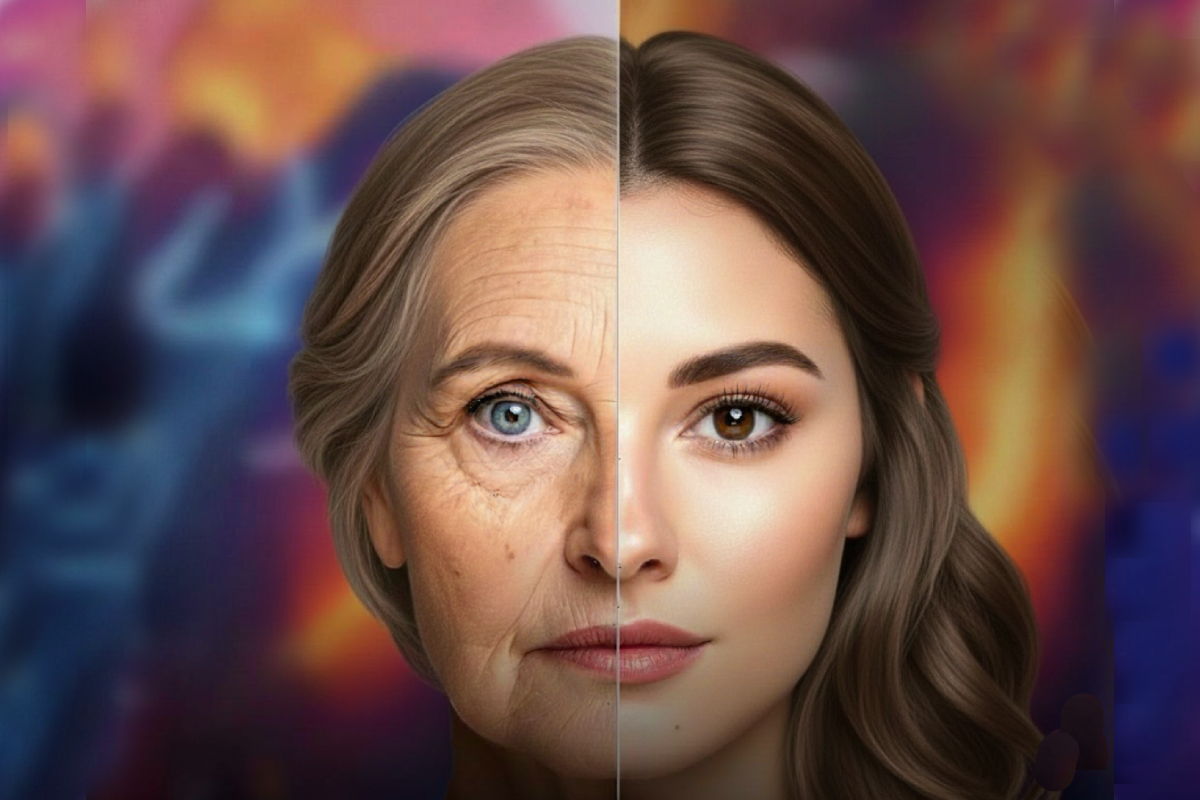
Menopause is a natural transition that every woman experiences, usually between the ages of 45 and 55. Yet, even though it’s a universal process, every woman’s journey is unique. Some experience mild changes, while others face symptoms that affect daily life — hot flashes, mood swings, fatigue, and sleep disturbances, to name a few.
In recent years, more women have been seeking holistic, natural approaches to support their body during this phase — not just to treat symptoms, but to feel balanced, confident, and healthy overall.
In this article, we’ll explore how women beyond 45 can manage menopause symptoms naturally, using lifestyle adjustments, nutrition, herbal remedies, and mind-body techniques — all backed by evidence and safe for everyday life.
What Exactly Is Menopause?
Menopause marks the end of menstrual cycles, confirmed after 12 consecutive months without a period. It’s caused by a natural decline in the production of estrogen and progesterone, the two main female hormones produced by the ovaries.
Before menopause, most women go through a transitional phase called perimenopause, which can last several years. During this time, hormone levels fluctuate, causing symptoms like irregular periods, mood changes, and night sweats.
Common Menopause Symptoms
- Hot flashes and night sweats
- Sleep disturbances or insomnia
- Mood swings and anxiety
- Vaginal dryness or discomfort
- Weight gain (especially around the abdomen)
- Decreased libido
- Fatigue and brain fog
- Joint pain and muscle stiffness
Not every woman experiences all these symptoms, and their intensity can vary from mild to severe. The good news is, there are many natural ways to bring balance back.
Why Choose a Holistic Approach?
“Holistic” means treating the whole person — body, mind, and lifestyle — rather than just the symptoms.
A holistic menopause plan often combines:
- Nutrition and diet changes
- Regular exercise and stress management
- Natural supplements or herbal remedies
- Mind-body therapies like meditation, yoga, and breathing exercises
The aim is to support your body’s natural hormone balance while improving overall well-being.
Nourishing Nutrition: Food That Balances Hormones
What you eat has a huge impact on how your body handles hormonal changes. Certain foods can help support estrogen balance, reduce inflammation, and stabilise mood.
1. Embrace Plant-Based Estrogens (Phytoestrogens)
Phytoestrogens are natural plant compounds that mimic estrogen’s effects in the body.
They can help reduce hot flashes and balance hormones naturally.
Sources:
- Soybeans, tofu, tempeh, edamame
- Flaxseeds and sesame seeds
- Chickpeas and lentils
2. Eat Anti-Inflammatory Foods
Menopause can increase inflammation and oxidative stress. To combat that, focus on foods rich in antioxidants and omega-3 fatty acids:
- Fatty fish like salmon, sardines, and mackerel
- Nuts (especially walnuts and almonds)
- Berries, leafy greens, and colourful vegetables
3. Support Bone Health
After menopause, lower estrogen can lead to bone density loss. Strengthen your bones by adding:
- Calcium-rich foods: yoghurt, milk, kale, broccoli
- Vitamin D sources: eggs, fortified milk, and safe sun exposure
- Magnesium-rich foods: avocado, whole grains, and pumpkin seeds
4. Limit Caffeine, Sugar, and Alcohol
While occasional treats are fine, too much caffeine or alcohol can worsen hot flashes and affect sleep. Try herbal teas or caffeine-free alternatives instead.
Natural Remedies and Herbal Support
Herbal remedies have been used for centuries to ease menopause symptoms naturally.
Here are some of the most researched and trusted options:
1. Black Cohosh
One of the most popular herbs for menopause, black cohosh may help reduce hot flashes, night sweats, and mood swings. It works by gently supporting hormone receptors in the brain.
2. Red Clover
Red clover contains natural phytoestrogens and has been shown to improve bone density and reduce hot flashes.
3. Sage
Sage tea is known to cool the body and calm excessive sweating or hot flashes.
4. Evening Primrose Oil
This oil is rich in gamma-linolenic acid (GLA), which can support skin elasticity and reduce breast tenderness.
Tip: Always talk to your healthcare provider before starting herbal supplements — especially if you take medication or have existing health conditions.
Menopause Supplements: Supporting Your Body Naturally
While lifestyle and diet form the foundation of a healthy menopause transition, some women find additional support from natural supplements that help manage specific symptoms such as hot flashes, fatigue, and mood changes.
It’s important to note that supplements are not magic fixes — but when used correctly, they can complement your daily wellness routine and help restore hormonal balance gently.
1. Vitamin D & Calcium
These are essential for bone strength and hormone regulation. As estrogen levels drop, bones lose density more rapidly, increasing the risk of osteoporosis.
Most UK adults, especially those with limited sun exposure, benefit from vitamin D supplements — the NHS recommends 10 micrograms daily during autumn and winter.
Best sources:
- Vitamin D3 capsules or sprays
- Calcium-rich supplements (preferably with magnesium and vitamin K2 for absorption)
2. Magnesium
Magnesium supports over 300 body processes, including sleep, energy production, and mood regulation.
It can also help relieve muscle cramps, anxiety, and insomnia — all common during menopause.
Forms to try:
- Magnesium glycinate (for calm and sleep)
- Magnesium citrate (for digestion and energy)
3. B Vitamins (Especially B6, B12 & Folate)
These vitamins play a major role in energy, mood balance, and nervous system support.
They help the body convert food into energy and reduce fatigue — especially useful for women experiencing brain fog or mood swings.
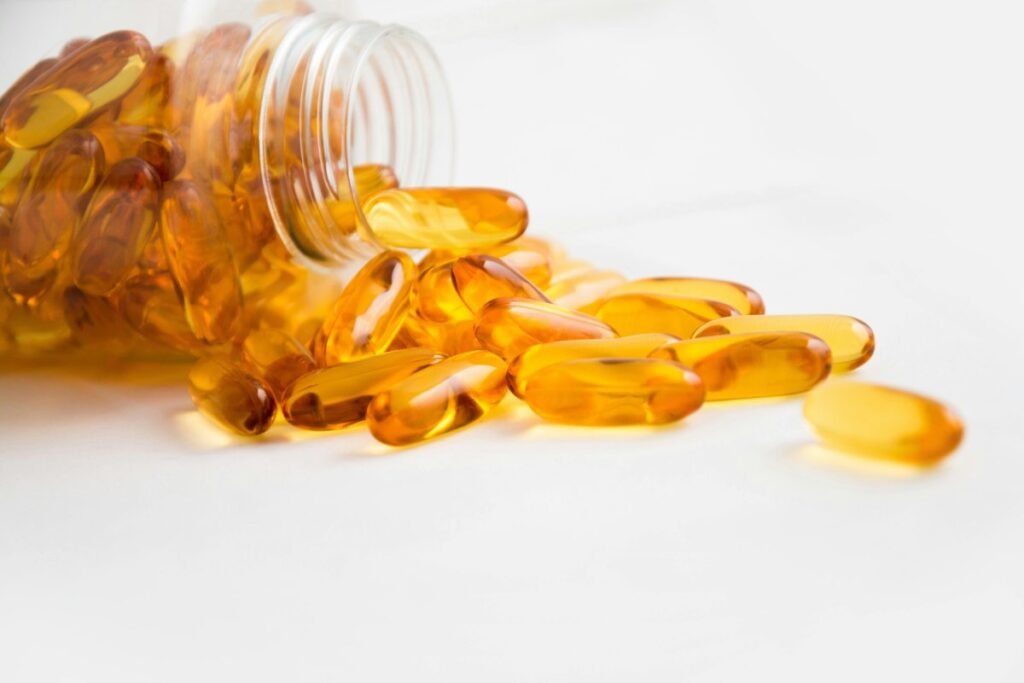
4. Omega-3 Fatty Acids
Omega-3s are powerful anti-inflammatories that can help improve heart health, joint comfort, and emotional well-being.
They may also reduce the frequency of hot flashes and support healthy skin.
Sources:
- Fish oil supplements (look for high EPA/DHA content)
- Vegan omega-3 from algae
Mind-Body Practices for Emotional and Physical Balance
Menopause isn’t just physical — it affects emotions, energy levels, and confidence.
Mind-body therapies help reduce stress, balance mood, and promote self-connection.
1. Yoga for Hormone Health
Yoga postures improve circulation, flexibility, and relaxation.
Poses like legs-up-the-wall, bridge, and cobra help stimulate hormone glands and calm the mind.
2. Meditation and Deep Breathing
Just 10 minutes of mindfulness or deep breathing daily can significantly lower anxiety and improve sleep.
3. Walking and Light Exercise
Regular physical activity — even 30 minutes a day — supports:
- Heart health
- Weight management
- Better mood through endorphin release
Sleep and Stress: Two Critical Areas
Hormonal changes can disrupt your sleep pattern. Poor sleep, in turn, raises stress hormones like cortisol, which makes symptoms worse.
Natural Sleep Tips:
- Keep your bedroom cool and dark.
- Avoid screens and caffeine at least 2 hours before bed.
- Try relaxation techniques like guided meditation or Epsom salt baths.
- Herbal teas such as chamomile or valerian root can promote restful sleep.
Managing Stress:
Chronic stress can worsen hot flashes and fatigue. Simple habits like gratitude journaling, nature walks, or slow breathing can make a big difference.
Nurturing Intimacy and Emotional Health
Menopause can affect libido and emotional closeness.
Understanding these changes and discussing them openly with your partner can help maintain a strong connection.
Tips for Intimate Wellness:
- Use natural lubricants or moisturisers for comfort.
- Stay emotionally connected through affection and communication.
- If needed, discuss hormone-free vaginal treatments with your doctor.
Emotional well-being is just as important as physical comfort — and it’s entirely possible to feel fulfilled during this stage of life.
The Importance of Movement and Strength
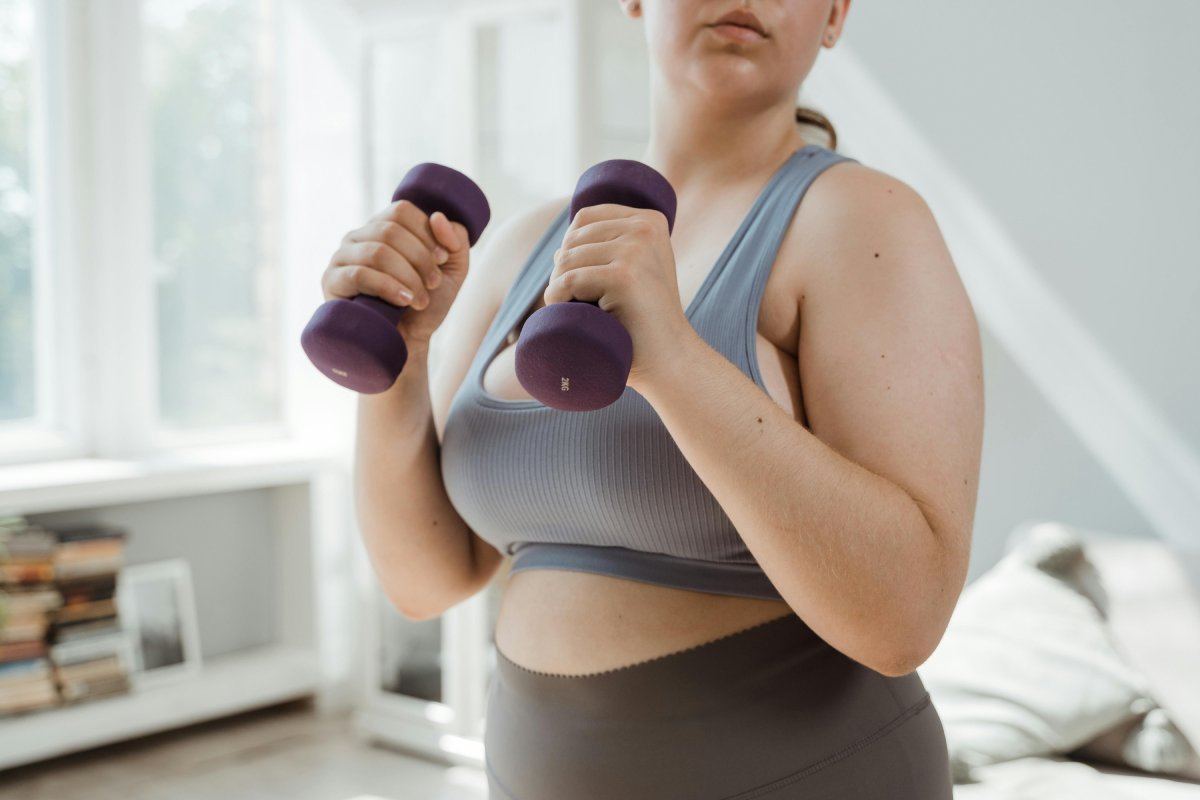
Exercise is one of the most powerful natural tools for managing menopause.
It helps control weight, boost energy, strengthen bones, and lift mood.
Recommended Activities:
- Strength training: improves muscle mass and bone density
- Pilates: enhances posture and flexibility
- Brisk walking or cycling: supports heart health
- Yoga and stretching: reduce stiffness and stress
Even if you start small — like 15-minute walks — the key is consistency.
Self-Care and Mindset: Redefining This Stage of Life
Menopause is not the end of youth — it’s the beginning of a new, empowered phase.
With the right mindset and lifestyle, you can feel vibrant, confident, and in control of your well-being.
Here’s how to shift your perspective:
- Celebrate your wisdom and experience.
- Focus on what makes you feel strong and beautiful.
- Surround yourself with supportive friends and communities.
- Practice self-kindness daily — through rest, skincare, or mindful moments.
When to Seek Medical Advice
While natural approaches are helpful, some symptoms may require professional guidance.
See your doctor if you experience:
- Sudden heavy bleeding after periods stopped
- Extreme fatigue, anxiety, or depression
- Severe hot flashes affecting daily life
- Painful intercourse or vaginal dryness that doesn’t improve
Your doctor can recommend tests, check for thyroid or hormone imbalances, and discuss additional options — including low-dose HRT (hormone replacement therapy) if appropriate.
Additional Support for UK Women
You’re not alone — thousands of women in the UK are navigating menopause with strength and grace.
For professional advice and local resources, visit NHS Menopause Support.
FAQs About Managing Menopause Naturally
1. Can diet really reduce hot flashes?
Yes! Diets rich in phytoestrogens, omega-3s, and antioxidants can reduce the frequency and intensity of hot flashes over time.
2. Is hormone replacement therapy (HRT) the only option?
No. Many women find relief through natural methods such as herbal remedies, stress management, and lifestyle changes. However, HRT can be helpful for severe cases — talk to your doctor before deciding.
3. How long does menopause last?
Menopause itself is a point in time, but the transition (perimenopause) can last between 4 to 8 years. Symptoms usually ease over time.
4. Are natural remedies safe?
Most are safe when taken correctly, but it’s essential to use reputable brands and consult your GP or pharmacist before starting any supplement.
5. Can exercise really balance hormones?
Regular exercise supports insulin sensitivity, reduces stress hormones, and helps maintain a healthy weight — all of which contribute to better hormone balance.
6. What signals the end of menopause?
The end of menopause is signaled when a woman has gone 12 consecutive months without a menstrual period. This marks the completion of menopause and the beginning of the postmenopausal stage, where hormone levels stabilize at lower levels.
Holistic & Empowering
Menopause beyond 45 is not something to fear — it’s a new chapter of empowerment and self-care. By combining balanced nutrition, natural remedies, movement, and mindfulness, you can reduce discomfort and rediscover energy, clarity, and peace.
A holistic approach doesn’t just manage symptoms; it helps you feel connected to your body again — strong, radiant, and fully alive.










Leave a Reply