

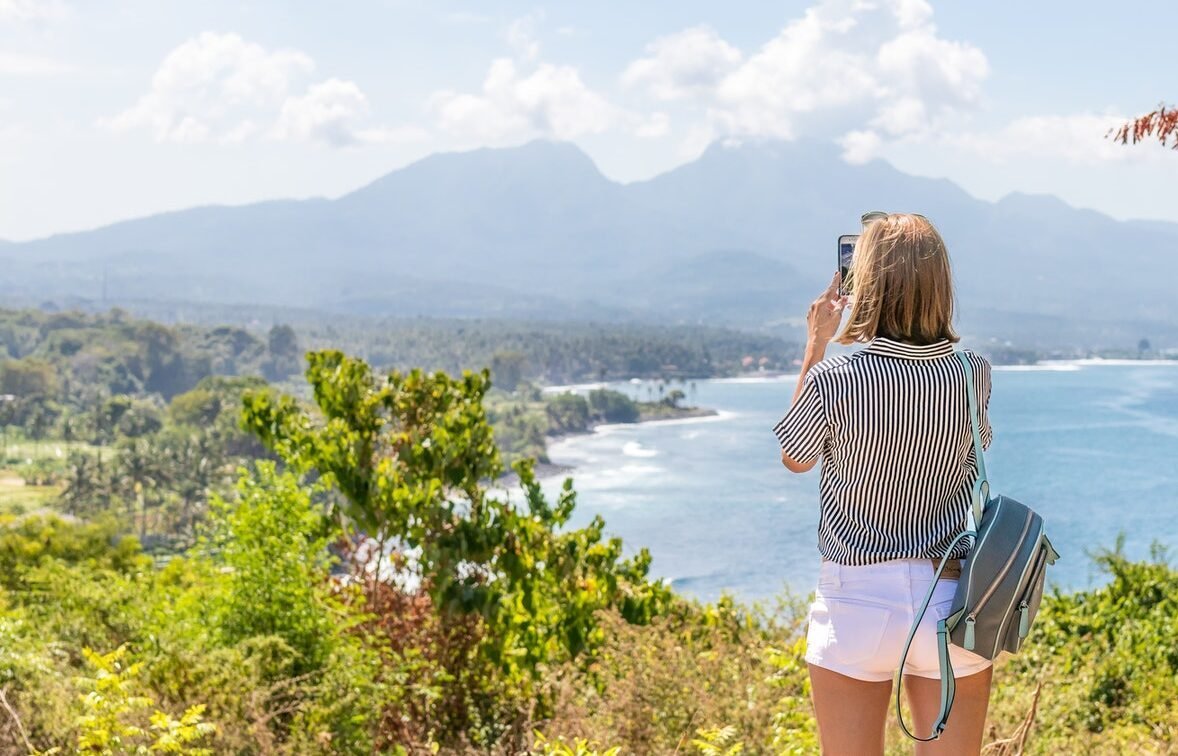
If you want to find your life, go to nature.” This is more than a poetic phrase. It is a profound invitation — an encouragement to step out of our routines, breathe fresh air, and rediscover ourselves in the natural world. In this article, we’ll explore why nature can help us “find our life,” what the science says, and how you can meaningfully reconnect with nature in everyday life.
We will also include frequently asked questions to clarify common doubts. The goal is to inform, inspire, and offer practical suggestions — all in an honest, non-sensational way. Let’s begin.
Why nature can help you “find your life”
The metaphor and the reality
When people say “find your life,” they often mean finding purpose, clarity, direction, or peace. Nature can act as a mirror, a classroom, and a sanctuary. It slows us down; it pulls us out of distracted thinking; it invites us into presence. In that space, we often hear ourselves more clearly.
But this isn’t just metaphorical — many studies show that exposure to nature brings real psychological and physical benefits, which can support clarity, well-being, and personal growth.
The science: nature’s benefits in a nutshell
Over recent decades, research from psychology, public health, neuroscience, and environmental psychology has documented many benefits of spending time in nature. Here are some of the key findings:
-
Better mental health and mood: Time in nature is linked with reduced symptoms of depression, anxiety, and stress.
-
Improved cognitive functioning and attention: According to Attention Restoration Theory, natural settings restore our ability to focus, because they use “soft fascination” (e.g. rustling leaves, flowing water) that is less taxing on our directed attention systems.
-
Lower blood pressure, heart rate, stress hormones: Nature exposure has been associated with lower cortisol, lower blood pressure, and more stable autonomic responses.
-
Stronger immune function and physical benefits: Outdoor time often encourages walking, movement, and fresh air — all of which benefit cardiovascular health, immunity, and overall energy.
-
Higher sense of meaning and connectedness: Some qualitative research suggests that deeply connecting with wild nature can support how we make sense of life, boost resilience, and nurture spiritual well-being.
-
Universal applicability and minimal risk: Importantly, across age groups and contexts, studies rarely show negative effects of nature exposure; instead, benefits are quite consistent.
In short, nature is good for your mind, body, and spirit — and thus it offers fertile ground for rediscovery.

Why modern life makes this needed
In our urbanized, digitally saturated lives, we are often disconnected from the natural rhythms and cues that once anchored people. We live indoors, look at screens, rush between obligations, and rarely pause. Over time, this disconnection can lead to burnout, mental fog, alienation, or meaninglessness.
Therefore, stepping into nature can act as an antidote — offering contrast, perspective, and a chance to slow, reflect, and heal.
How to reconnect with nature (in a meaningful way)
It’s one thing to spend time outdoors; it’s another to connect with nature in a way that helps you find your life. Here are steps and ideas to deepen your relationship with nature.
1. Start small but intentionally
Even brief exposure can help. Research suggests that two hours per week in green settings is a “magic number” for mental well-being benefits. If two hours feels like a lot, break it into washes of 10–20 minute walks, park visits, or even stepping into a garden or green courtyard.

2. Use all your senses
Instead of just “looking,” engage:
-
Listen — birds, wind, water, insects
-
Touch — bark, leaves, soil, stones
-
Smell — earth, flowers, green growth
-
Observe — patterns, shapes, light, movement
-
Breathe — take deep breaths, inhale fresh air
Sensory immersion fosters presence and quiets the mental noise that often blocks insight.
3. Practice reflection and journaling
Bring a journal or notebook. After or during nature time, write or sketch what you observed, how you felt, what thoughts arose, and what new questions you might have. Over time, your journal becomes a map of your evolving inner life.
4. Try nature meditations or “forest bathing”
“Forest bathing” (shinrin-yoku in Japanese) is a guided meditative practice in nature that encourages slow walking, pausing, and reflecting deeply on surroundings. Even simple walking meditations (e.g. walk 10 minutes mindfully, noticing step, breath, terrain) can be powerful.
5. Volunteer, garden, or nurture nature
Caring for nature helps shift you from observer to participant. Whether it’s planting native species, restoring a trail, gardening, or citizen science, these activities deepen your sense of belonging and purpose.
6. Integrate nature into daily life
If you live in a city or don’t have easy access to wilderness, bring nature into your indoor life:
-
Keep plants
-
Place your workspace near a window with green view
-
Use natural materials (wood, stone, clay) in interiors
-
Create small “green corners” or vertical gardens
Even seeing plants or hearing birdsong through windows has been linked to better mood and cognitive restoration.
7. Combine nature with movement and social connection
Walking, hiking, cycling or doing gentle yoga in nature can magnify benefits. Doing such activities with friends or joining guided nature groups helps with accountability, community, and shared discovery.
8. Be consistent, not grand
You don’t have to hike the Himalayas. What matters is consistency and intention. Over time, small nature habits weave into your life.
A step-by-step nature reconnection plan (30, 60, 90 days)
Below is a suggested progressive plan you can adapt:
| Time frame | Focus | Practices |
|---|---|---|
| Days 1–14 | Establish baseline contact | Walk daily for 10 minutes in a park or tree area; journal a few lines after each walk |
| Days 15–30 | Deepen sensory awareness | Try a walking meditation, notice 3 new things each time; bring your senses into each outing |
| Days 31–60 | Add meaning and reflection | After outings, write reflections or questions; read nature poetry; plan a half-day outing |
| Days 61–90+ | Commit to integration | Volunteer, garden, join a nature group, take a full-day nature retreat at least once; use nature breaks throughout your week |
Adjust pace and methods to your reality and preferences.
Overcoming obstacles & doubts
“I don’t have time / I live in a city / I’m too busy.”
You don’t need far or grand nature. A street tree, balcony plant, small urban park, or potted garden counts. Even 10 minutes a day helps. The key is consistency and mindful presence.
“I don’t feel anything special when I go out.”
This is common at first. Your mind might still be too busy. Keep going, and try the sensory or journaling practices. Over time, your mind and body will soften.
“Nature doesn’t solve my problems; life is hard.”
Nature is not a magic cure for all struggles. But it offers clarity, rest, and renewed energy so you can face problems with more resilience and insight. It helps you regain balance, not erase life’s demands.
“I’m afraid of wild places / insects / weather.”
Start safer: city parks, botanical gardens, manageable trails. Dress appropriately, bring water, and go with a friend. Over time, your comfort and confidence will grow.
“What about seasons / cold / rain?”
Nature is alive in every season. In cold, snowy, rainy, or dry settings — there is beauty and lessons. Dress in layers, protect yourself, and treat each season as a teacher. (Yes, even winter.)
Also, indoor nature practices (plants, windows, natural materials) help when outdoors is harder.
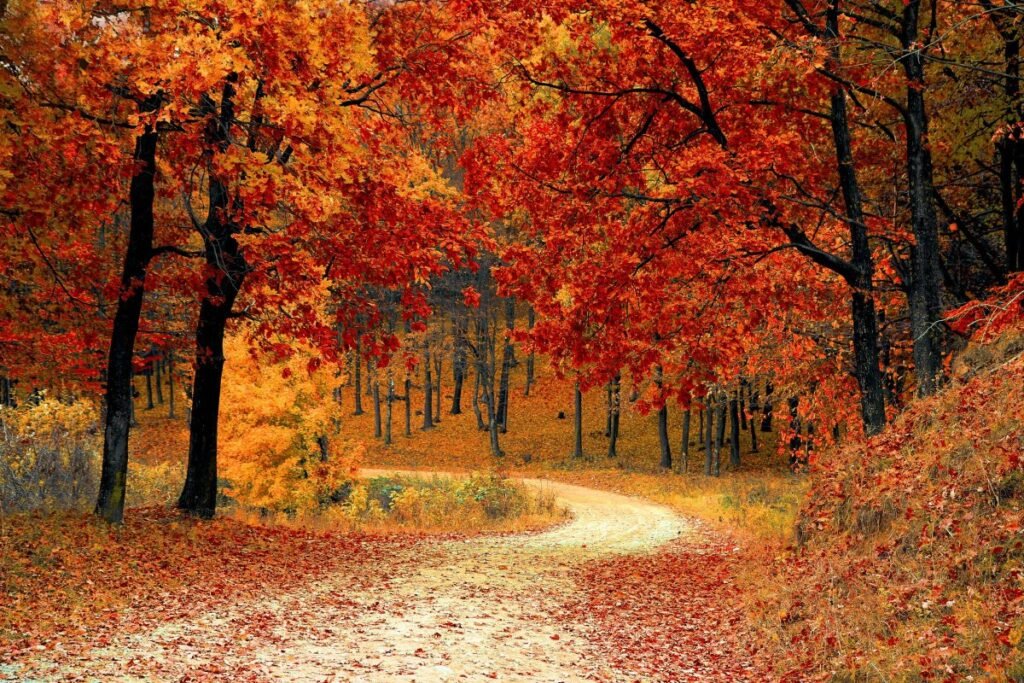
How nature helps you find your life — deeper themes
Why does nature help with meaning, purpose, and inner clarity? Here are some deeper aspects:
1. Reminding us of interconnection
Nature shows us that everything is interdependent — soil, roots, microbes, insects, plants, animals. When we feel part of a larger whole, it softens ego isolation and invites humility, care, and purpose.
2. Slowing time, fostering presence
In nature, time expands. We slow down and notice subtleties. That slowness gives space to listen inwardly, to feel edges, to perceive what truly matters.
3. Offering symbols, metaphors, and guidance
Trees shedding leaves, rivers flowing, storms, seasons — nature carries countless metaphors that resonate with human life. When we pay attention, such metaphors can guide our inner journey.
4. Rewilding the self
Modern life often tames or suppresses parts of ourselves. Nature invites us to reclaim wildness — spontaneity, curiosity, awe, wonder, openness. In doing so, we reclaim parts of our authentic self.
5. Building resilience
Nature is unpredictable. Surviving wind, heat, cold, soil, drought — nature reminds us we are capable, adaptive, rooted, flexible. That metaphorical resilience carries into our inner life.
Frequently Asked Questions (FAQs)
Q1: How long do I need to spend in nature to see benefits?
Research suggests about two hours per week in green settings is associated with meaningful improvements in mental and emotional well-being. That can be split across multiple visits (20-minute sessions, etc.). Even shorter “micro-breaks” (e.g. 5–10 minutes) can help, especially over time.
Q2: Do you need a forest or wilderness to benefit?
No. Urban parks, gardens, tree-lined streets, rooftop greenery, or even window views of vegetation can help. The key is green space and mindful engagement.
Q3: Won’t technology and modern life always distract me?
They often will. That’s why intention matters. You may need to disable notifications, set timers, or designate specific nature times. Over time, your brain will learn that nature times are sacred and less “invaded” by the mental noise.
Q4: Could nature ever have negative effects (e.g. fear, allergies)?
Yes, in rare cases — allergies, safety concerns, exposure to extreme weather, or fear of wilderness are valid challenges. But with planning (allergy meds, appropriate gear, safer paths) those risks can be mitigated. Also, start with tame, accessible nature and gradually expand.
Q5: How do I maintain nature habits in bad weather, busy seasons, or when traveling?
You can adapt:
-
Use indoor plants, nature images, natural materials
-
Go outside early or in the evening
-
Use short micro-breaks
-
Choose sheltered nature (forests, greenhouses, arboretums)
-
Join local nature groups when traveling
Q6: Can nature replace therapy or professional care?
No. Nature is a powerful complement, not a substitute. If you struggle with serious mental health issues, please seek help from a qualified professional. Think of nature as a supportive friend — not a cure-all.
Q7: Can children, older adults, or disabled people benefit?
Absolutely. Nature benefits cross age, ability, and culture lines. Adaptations (accessible paths, seated nature, sensory gardens) help ensure inclusion. Many programs now bring nature experiences to people with mobility or cognitive challenges.
Practical tips and reminders for your nature journey
-
Be consistent, not extreme. Small, steady habits are more sustainable than grand but rare gestures.
-
Go without any goal (sometimes). Leave your to-do list behind. Wander. Notice.
-
Make it personal. Find nature genres you love: rivers, forests, deserts, marshes, mountains.
-
Document your journey. Photos, journal entries, sketches help you see growth over time.
-
Be patient with yourself. Some days nature feels quiet; others feel alive. Both have value.
-
Pair nature with gratitude. Notice what you can appreciate. That opens your heart.
-
Respect nature. Follow “leave no trace,” avoid harming plants/animals, and act as a steward.
-
Invite others. Sharing nature with friends or family can deepen connection and accountability.
-
Be flexible. Sometimes nature is stormy, smoky, or inaccessible. Adapt with indoor nature or small windows of time.
-
Return often. The more you return, the deeper your roots will grow.
Real stories (anecdotes)
While research supports nature’s benefits, real human stories make it vivid. Consider:
-
A friend of mine, feeling overwhelmed by work and urban life, began taking 15-minute walks in a nearby park each evening. Over months, she says she felt calmer, more creative, and more aligned with her values.
-
A colleague suffering burnout once spent a weekend in the forest. He journaled, sat quietly, and came back saying, “I’ve remembered who I am.”
-
Many nature retreat facilitators tell stories of participants who, after immersion in nature, make life changes: redirecting careers, altering relationships, or embracing new priorities.
These stories mirror the patterns seen in research — that in the quiet of nature, we often hear new possibilities.
Let Nature Lead You Home
If you want to find your life, go to nature. This is not a cliché — it is an invitation grounded in both ancient wisdom and modern science. Nature offers clarity, restoration, connection, purpose, and belonging. It permits slowness, inner listening, and a reclaiming of parts of ourselves lost in the rush.
Yet, it’s not a magic wand. You will still need intention, consistency, openness, and patience. But as you weave nature into your life — through walks, meditations, gardening, volunteering, or simply time under trees — you may begin to feel a deeper alignment, a sense of home in yourself, and a renewed capacity to choose, heal, and grow.
For an in-depth look at research-backed insights, visit the American Psychological Association’s guide on how nature nurtures mental health
I encourage you: begin today. Step into a green space, even for a few minutes. Observe something new. Breathe. Let nature speak to you. Over time, you may well say: this helped me find my life.













Leave a Reply