

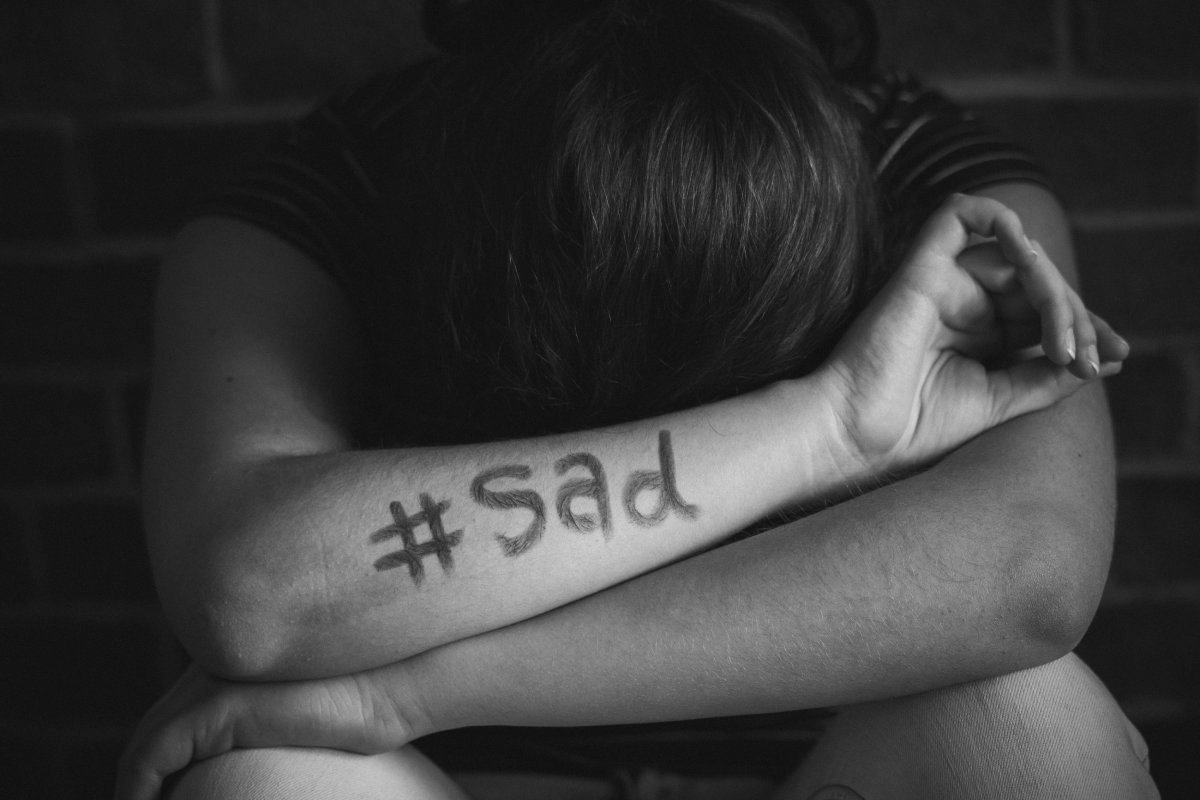
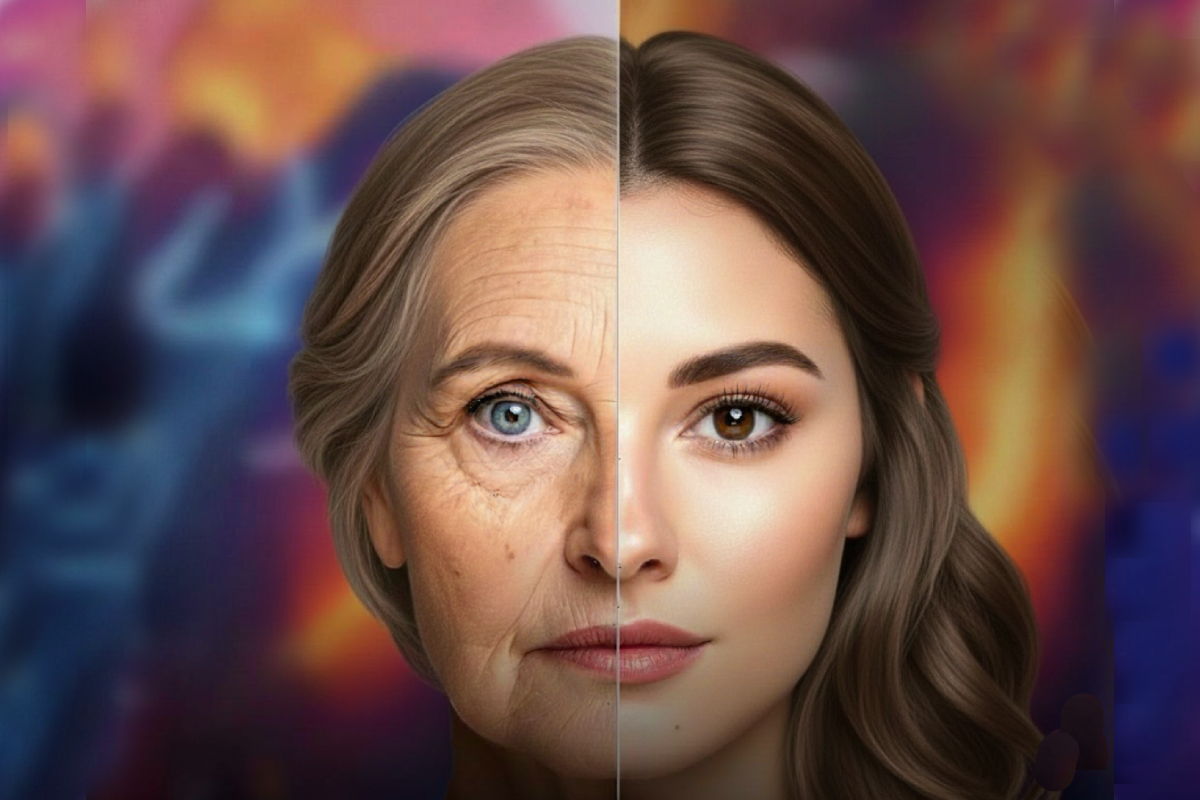
We’ve all heard the adage: “She looks so much older than her age”, or “Life’s hardships have added years to his face. But is there any legitimacy to the notion that sadness or loneliness or emotional pain can, in reality, age us faster?
In other words, yes, there is growing scientific evidence that emotional stress can speed the rate at which our bodies age. But the story is not all bad. We will delve into the fascinating science of emotional aging, how sadness can increase your biological age, and practical methods to shield your mind and body from premature aging.
Let’s dissect the facts, not the myths or exaggerations, in a manner that’s easy to grasp and gives peace of mind.
What Does “Aging Faster” Really Mean?
Chronological Age vs Biological Age
When we say “aging faster,” we’re not talking about your birthday count, to be clear. Chronological age is just how many years you have been alive. Biological age, in contrast, gauges how old your cells, tissues and organs are.
Two individuals may be 40 years old chronologically, but one has the biology of a 50-year-old and the other of an adult aged as young as 35. Biological age is measured using markers such as inflammation, DNA patterns and the condition of cells.
If sadness or long-term stress is making you biologically older, your body is aging faster than it should be based on the calendar.
The Science: How Emotions Influence Aging
Research in recent years has made it increasingly clear that mental health and physical aging are intertwined. Here’s what researchers have learned about sadness, loneliness and depression.
1. Chronic Emotional Stress Affects Cellular Health
Sadness or stress for long periods can cause the body to produce excess amounts of the stress hormone cortisol. These hormones, in high levels throughout the day, can also damage cells and DNA through oxidative stress and promote ageing.
2. Sadness and Inflammation
Extended sadness often triggers chronic inflammation — the body’s “silent fire.” Inflammation erodes tissue and damages cells, and also underlies some of the early effects of aging like fatigue, slower healing, and wrinkles.
3. Loneliness and Biological Aging
Being alone doesn’t just affect your mood — it can tamper with your body’s ability to repair itself. Lonely individuals for an extended period are biologically older than those who feel socially included and emotionally supported.
4. Depression and Accelerated Aging
Depression, so often isolated in secret, is referred to as a full-body illness because it affects everything: sleep, hormones, metabolism and the very workings of the immune system. Research has indicated that depression may slow the rate of telomere replacement, those tiny caps on the ends of your DNA. When telomeres grow too short, cells can no longer divide properly, and aging hastens.
5. Overthinking and Brain Aging
Excessive rumination — or constantly replaying negative events — can also take a toll. Brain scans have shown that people who worry excessively often display structural brain changes similar to those seen in older adults.
How Emotional Stress Ages Your Body
Let’s break down what happens internally when sadness becomes chronic.
A. Hormonal Imbalance
Sadness activates our stress hormones, like cortisol and adrenaline. When left high for extended periods, they interfere with metabolism, sleep and immune response — three conditions that speed aging.
B. Inflammation and Oxidative Stress
Worry and depression lead to cells that are inflamed and also full of oxidative residue. Ultimately, this results in fatigue, weary skin, a compromised immune system and higher susceptibility to diseases.
C. Sleep Disturbance
When sadness gets in the way of deep sleep, your body is deprived of its natural repair cycle. Lack of sleep causes early wrinkles, low energy, and less cell renewal.
D. Reduced Physical Activity
People who are sad or depressed tend to move less. Sedentary behavior hampers circulation, metabolism and muscle tone — all visible indicators of aging.
E. Emotional Withdrawal and Unhealthy Habits
Sadness can result in comfort eating, smoking, alcohol use or isolation. All of those things age the biology in a spectrum of ways.
The Mind–Body Connection: Why Feelings Matter
Your emotions are not only mental experiences — they’re in constant dialogue with the rest of your body. And the mind–body connection is real — every thought or feeling we have causes chemical reactions that can either promote healing or harm.
When you dwell too long on feeling sad or hopeless, your body perceives those feelings as chronic stress and keeps itself in a state of needing to “fight or flee.” This ongoing alert mode is thought to speed internal wear and tear as the years pass.
Conversely, the positive emotions of gratitude, hope and love all serve to relax the nervous system — reducing stress hormones, inflammation in our body, and enhancing healthy cell function.
Can Sadness Really Make You Look Older?
Yes, and here’s how:
- Facial muscles used when frowning become more active, deepening expression lines.
- Poor sleep under emotional stress leads to under-eye bags and dull skin.
- Reduced collagen caused by stress hormones results in sagging skin and loss of elasticity.
- Inflammation damages the skin barrier, making it appear tired and aged.
But the good news? All these effects are reversible when emotional health improves.
Why Some People Age Slower Despite Stress
Ever notice how some people go through major challenges yet still look vibrant and youthful? That’s because they’ve mastered resilience — the ability to adapt and recover from emotional pain.
Resilient people tend to:
- Express emotions instead of bottling them up
- Seek help when they need it
- Maintain social connections
- Stay physically active
- Practise mindfulness or meditation
These habits help protect the body from emotional wear and tear.
How to Protect Yourself from Emotional Aging
1. Acknowledge and Process Your Feelings
Instead of suppressing sadness, allow yourself to feel it and talk about it. Journaling, therapy, or simply sharing with a trusted person can prevent emotions from building up.
2. Stay Physically Active
Exercise doesn’t just keep your body fit — it helps release endorphins, the “happy hormones” that counteract stress and sadness. Even a daily walk can help reverse biological aging signs.
3. Sleep Like It’s Medicine
Aim for 7–8 hours of uninterrupted sleep. During sleep, your body repairs tissues, balances hormones, and clears mental stress.
4. Eat for Emotional and Physical Health
Choose foods rich in antioxidants — fruits, leafy greens, nuts, olive oil, and whole grains. These help fight oxidative stress and inflammation.
5. Practice Mindfulness and Meditation
Mindfulness trains your brain to stay in the present, reducing overthinking and rumination — two major contributors to emotional aging.
6. Build Strong Relationships
Human connection is one of the best anti-aging remedies. Spending time with friends, family, or pets can significantly reduce loneliness and sadness.
7. Limit Negative Inputs
Be mindful of what you consume emotionally — such as social media, news, or toxic relationships. Continuous exposure to negativity keeps the brain in stress mode.
8. Seek Professional Help When Needed
If sadness persists for weeks or interferes with daily life, reach out to a counselor, psychologist, or psychiatrist. Mental health care is self-care — not weakness.
9. Cultivate Gratitude and Joy
Write down three things you’re grateful for every day. Gratitude rewires your brain to notice the positive, which helps neutralize sadness and stress.
The Bright Side: Emotional Healing Can Reverse Aging
Here’s the hopeful part — a number of the biological markers of stress-related aging can be reversed by emotional well-being.
Get a handle on sadness, practice some mindfulness and re-engage socially, and your cortisol levels drop, inflammation diminishes, and cellular repair accelerates. In due course, your skin appears to shine more, your mood is brighter, and your body performs better.
So, for as much as sadness might age you temporarily, it turns out that healing and self-care can make your body — and perhaps also your spirit — grow younger.
FAQs
Q1. Does sadness really age your body?
Yes. Chronic sadness or emotional stress can increase biological aging markers like inflammation and DNA damage. However, occasional sadness is completely normal and harmless.
Q2. Can managing emotions make me look younger?
Absolutely. Balanced emotions promote better sleep, nutrition, and skin health — all of which affect how young you look and feel.
Q3. How long does it take for sadness to affect aging?
There’s no fixed timeline. It depends on the intensity and duration of your emotional distress, as well as how well you cope.
Q4. Can therapy help slow emotional aging?
Yes. Therapy helps you process emotions, develop coping mechanisms, and rebuild positive thought patterns that reduce stress.
Q5. Does happiness make you younger?
In a sense, yes! Joy and gratitude boost the release of “youthful” hormones, improve immunity, and enhance overall vitality.
Q6. Is there a way to measure emotional aging?
Biological aging can be measured through tests, but emotional aging is best evaluated by your mental well-being — how you feel, cope, and connect with others.
Emotions Are Powerful Anti-Aging Tools
We all grow old — but that doesn’t mean we can’t choose how to do it. Yes, sadness and loneliness and pressure can make your body and mind age faster — but they don’t have to define you.
By tending to your emotional health, investing in relationships that matter most, sleeping well, eating mindfully and moving more, you can not only slow down but actually reverse emotional aging.
Real youth can only come from within — from a heart that is able to feel deeply, heal with resilience and keep the life force flowing. For more insights on how emotions affect overall health and longevity, check out this detailed guide on emotional well-being and aging from Harvard Health
Do you have any wellness tips or mental health experiences of your own to share?









Leave a Reply