


Scars tell a story — maybe of an accident, a surgery, or a tough battle with acne. While some people embrace them as part of their journey, others feel self-conscious and wish those marks would fade away. If you’re reading this, chances are you’ve tried a few remedies already and wondered if there’s finally something that actually works. The truth is, scars don’t vanish overnight, but with the right care and the right product, they can become less noticeable, softer, and much easier to live with.
In this guide, I’ll walk you through the best scar removal creams, gels, and silicone sheets that dermatologists and real users recommend. From acne scars to surgery marks and burns, you’ll find out what works best for your skin type and scar type. And yes — I’ll also tell you about my top recommendations, including Dermatix Scar Gel, Kelo-Cote Scar Gel, and silicone-based sheets that many people swear by.
Why Choosing the Right Scar Treatment Matters
It’s tempting to grab the first cream you see on a shelf or in an online ad, but not all scar treatments are created equal. Scars are complex; some are flat, some are raised, some are red, some are dark. That means one product may work wonders for one person but do very little for another.
That’s why dermatologists often recommend starting with proven ingredients like silicone gel (found in Dermatix or Kelo-Cote), or silicone sheets that protect and hydrate scar tissue to speed up healing. These aren’t miracle solutions — nothing will erase a scar completely — but they can make scars flatter, lighter, and smoother over time.
Understanding Your Scar Before Choosing a Cream
Not all scars are the same, and that’s where many people go wrong when picking a treatment. You should first take a moment to understand what kind of scar you’re dealing with. Is it from an old burn that left the skin darker and textured? Or maybe it’s a surgical scar that looks raised and feels firmer than the rest of your skin. Acne scars are another story altogether — they can appear as pitted marks or stubborn dark spots that just refuse to fade. And then there are keloid scars, those thick, sometimes itchy scars that keep growing beyond the original wound.
Why does this matter? Because the right product for the right scar is everything. Using a cream designed for acne scars on a thick surgical scar won’t give you the results you’re hoping for. Similarly, applying a silicone sheet on a light acne mark might not make a difference, even though that same sheet could work wonders on a fresh surgical scar.
Think of it this way: just like you wouldn’t use the same shoes for running, hiking, and going to a wedding, you shouldn’t use the same scar treatment for every type of scar. The good news is that once you identify your scar type, finding the right cream, gel, or silicone sheet becomes much easier. And when you use the right treatment consistently, that’s when you start seeing real, visible improvement.
My Top Recommended Scar Removal Products
Let’s get real: you don’t need to try a hundred different products. What works best are clinically tested, dermatologist-recommended treatments with proven ingredients. Here are the top ones worth considering.
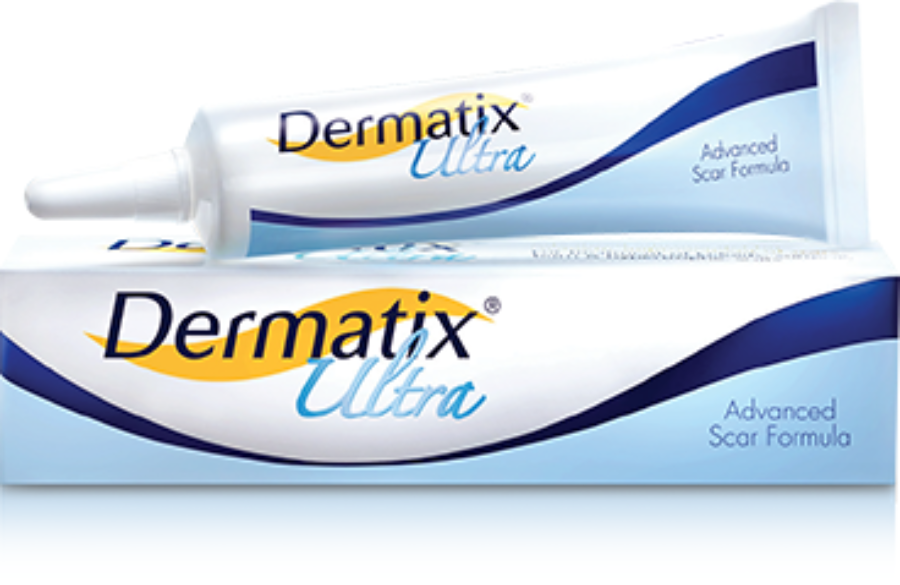
| Scar type | Ingredients | Improvement | Application | Feature |
| Burn/Surgery | Silicone Gel | 6-8 Week | Twice daily | Light weight |
1. Dermatix Scar Gel (Best Overall for Surgery and Burn Scars)
If you’ve ever searched for scar solutions, you’ve probably come across Dermatix. It’s one of the most trusted brands out there. Dermatix Silicone Gel creates a protective layer over the scar, locking in moisture and helping the tissue heal in a smoother, flatter way. Many surgeons even recommend using it after stitches are removed.
What I like about Dermatix Gel is that it’s lightweight, dries quickly, and doesn’t leave a sticky mess. It’s especially effective for surgical scars and burn marks because silicone helps reduce redness and flatten raised skin over time. Consistency is key — apply it twice daily, and you’ll notice gradual improvement.
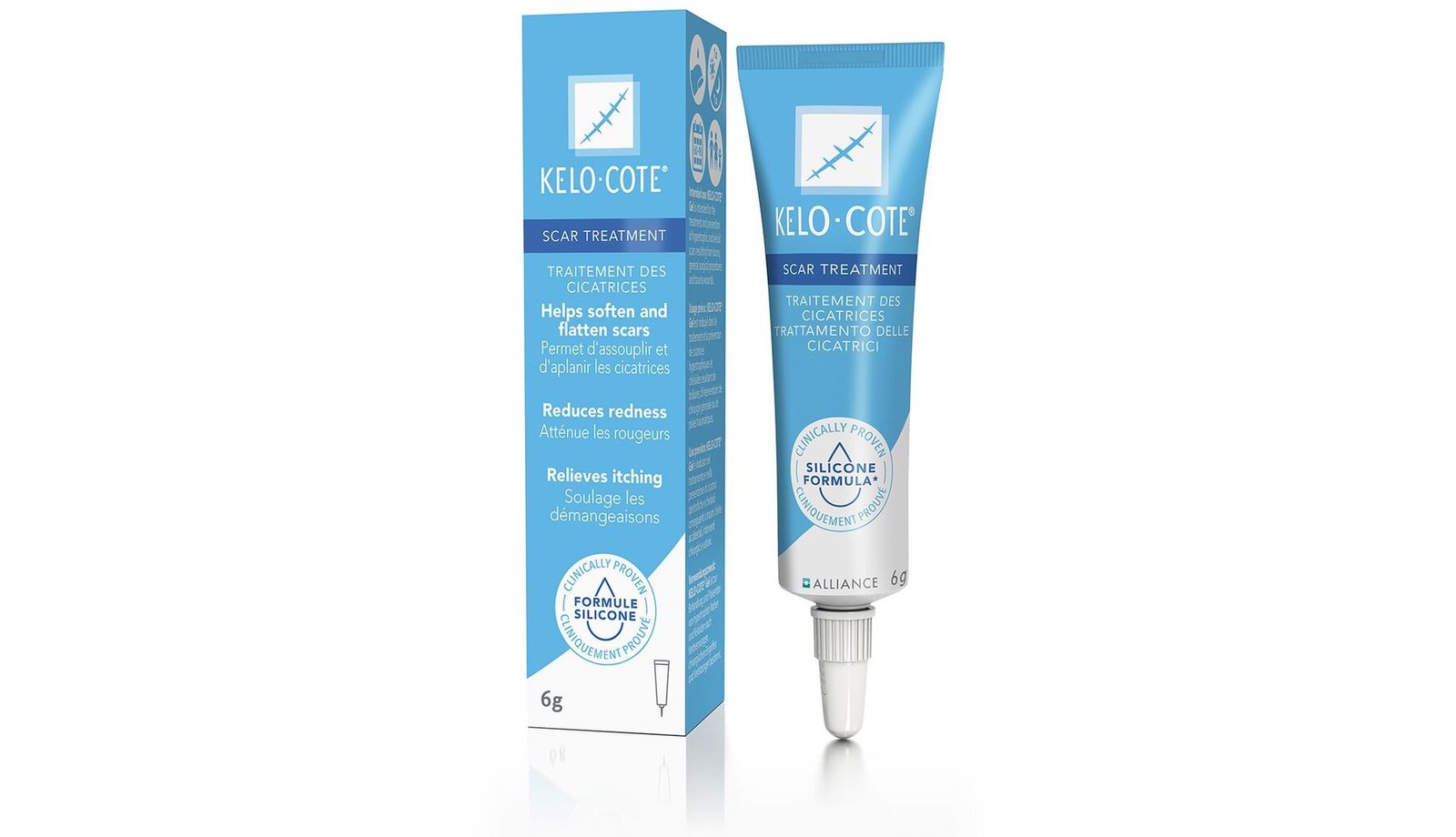
2. Kelo-Cote Scar Gel (Best for Keloid and Hypertrophic Scars)
When it comes to keloid scars, you need something stronger and more targeted. That’s where Kelo-Cote Scar Gel shines. Like Dermatix, it’s a silicone-based gel, but it’s formulated specifically for raised, stubborn scars like keloids and hypertrophic scars (those thick scars that don’t flatten easily).
What makes Kelo-Cote stand out is its ability to not only soften scars but also reduce itching and discomfort that often come with keloids. It forms a breathable barrier over the scar, which hydrates it and slowly makes it less noticeable. If you’ve struggled with scars that seem to grow or get darker, this is one of the best gels you can try.
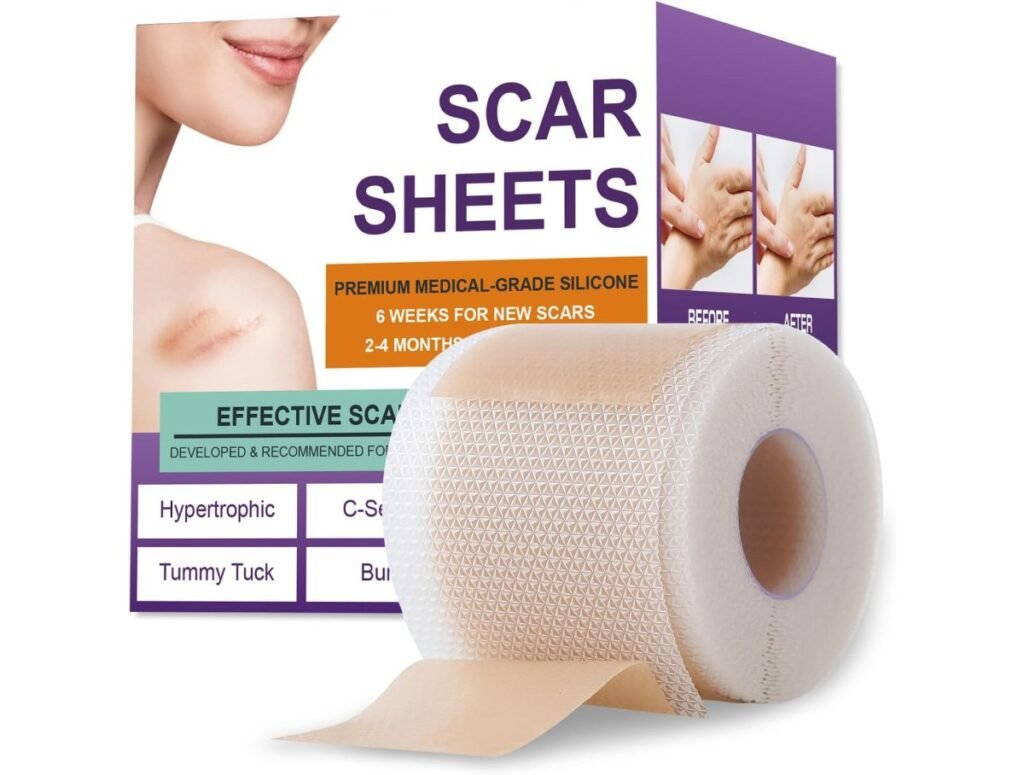
3. Silicone Sheets (Best for Large or Fresh Scars)
Sometimes creams and gels aren’t enough, especially if your scar is large or very recent. That’s where silicone sheets come in. These are soft, flexible sheets that you place directly over the scar. They don’t just cover it — they create the perfect healing environment by keeping the scar hydrated and protected from friction or bacteria.
Silicone sheets are great for surgical scars after procedures like C-sections, or for burn scars that cover a wider area. They can be reused, washed, and worn under clothing. Many people notice that scars become flatter and lighter after consistent use. The key is patience — wear them daily for several hours, and over weeks you’ll start to see smoother results.
4. Mederma Advanced Scar Gel – The Everyday Hero
If you’ve ever Googled scar creams, chances are you’ve seen Mederma. And honestly? It’s popular for a reason. This gel is lightweight, easy to use every day, and helps with everything from acne marks to small cuts and burns.
I’ve personally seen people use it on fresh acne scars, and within a couple of months, the redness had faded so much that they barely noticed the marks. It’s not instant, but it works—especially if you start early.
5. Other Creams and Natural Options
If you’re dealing with acne scars or smaller marks, you might also consider creams with ingredients like:
- Vitamin C (helps brighten dark spots)
- Niacinamide (reduces pigmentation and redness)
- Centella Asiatica (known for soothing and healing skin)
While these don’t work as powerfully as silicone-based gels, they can be a good add-on if your main concern is discoloration rather than raised scars.
How Long Does It Take to See Results?
This is the question everyone asks — and the honest answer is: it depends. Fresh scars usually respond faster, while old scars can take months of consistent treatment.
- With Dermatix Scar Gel, many people see improvements in 6–8 weeks.
- With Kelo-Cote Scar Gel, keloids may take 2–3 months to show visible changes.
- Silicone sheets usually need to be worn daily for at least 2 months for best results.
Remember, scars don’t vanish completely. The goal is softer, lighter, and less noticeable skin. And if you combine good skincare with patience, you’ll likely be pleasantly surprised by the progress.
Tips for Getting the Best Results
- Start early: The sooner you treat a scar, the better the results.
- Be consistent: Apply your gel or wear your silicone sheet every day.
- Protect from sun: Scars can darken with UV exposure, so always use sunscreen.
- Don’t pick at scars: This can worsen the texture and slow healing.
- Follow instructions: Over-applying won’t speed things up — it may irritate your skin.
Frequently Asked Questions (FAQs)
1. Do scar removal creams really work?
Yes, but with realistic expectations. They won’t erase a scar completely, but they can make it flatter, lighter, and less visible over time — especially if they contain silicone gel.
2. Which is better: scar removal cream or silicone sheet?
It depends on your scar. For small scars, gels and creams are easier to use. For large or fresh scars, silicone sheets usually give better results.
3. Can Dermatix Scar Gel be used on old scars?
Yes, though results may take longer. It works best on newer scars but can still improve the texture and appearance of older ones with consistent use.
4. Is Kelo-Cote safe for all skin types?
Generally yes. It’s formulated to be gentle and is often recommended for sensitive skin, but if you have allergies, always do a patch test.
5. How long should I use a scar gel?
Most dermatologists recommend at least 2–3 months of consistent use for visible improvement. Some stubborn scars may require 6 months or more.
6. Can natural remedies like aloe vera or oils work for scars?
They may help moisturize the skin and reduce redness, but they aren’t as effective as medical-grade silicone gels or sheets.
Bringing Confidence Back to Your Skin
Scars may feel permanent, but they don’t have to define your skin forever. Whether you choose Dermatix Scar Gel for surgical and burn scars, Kelo-Cote Scar Gel for keloids, or silicone sheets for large or fresh marks, the key is choosing the right product for your specific scar type and using it consistently.
It’s a journey, not an overnight fix — but with the right treatment, you can feel more confident in your skin again. Remember, the goal isn’t perfection; it’s progress. And every little bit of fading, softening, and smoothing counts.




Leave a Reply