


Aging is a natural part of life, but science shows that the way we move plays a huge role in how gracefully we age. The right exercises can help keep your body strong, your mind sharp, and your confidence high—even as the years go by. The best anti-aging exercises not only keep you active but also strengthen your muscles, protect your joints, and slow down the loss of mobility that often comes with age.
When we talk about staying young, it doesn’t mean chasing eternal youth or fighting against time. Instead, it’s about maintaining your health, energy, and independence as long as possible. With the right approach, exercise becomes a form of medicine—and one of the most powerful anti-aging tools you have.
Not All Exercises Are Created Equal
When it comes to working out, not every exercise will give you the results you’re looking for. In fact, some routines may waste your time—or worse, increase your risk of injury if they aren’t suitable for your age, fitness level, or physical condition.
That’s why it’s important to focus on movements that are safe, effective, and backed by science as the gold standard for reversing muscle loss regardless of age. Muscle loss, also known as sarcopenia, is one of the most significant contributors to aging. The stronger your muscles, the younger and more capable your body feels.
The following five exercises are highly effective, simple to perform, and designed to improve strength, balance, flexibility, and posture. They’re often recommended by physiotherapists and trainers as part of anti-aging fitness plans.
1. The Squat: Building the Foundation of Strength
The squat is often called the “king of exercises” for good reason. It targets multiple muscle groups at once, including your quadriceps, hamstrings, glutes, and even your core. Squatting is not just about fitness—it’s about real-life strength. Every time you sit down and stand up, you’re essentially doing a squat.
I personally noticed the difference after making squats a habit. Tasks that used to feel tiring, like carrying grocery bags up the stairs, became much easier once my legs and core grew stronger. That’s the beauty of squats—they don’t just make you fitter, they make daily life smoother.
Why Squats Help Reverse Aging:
- Strengthens large lower-body muscles, preventing frailty.
- Improves bone density, reducing the risk of osteoporosis.
- Enhances balance and stability, lowering fall risks.
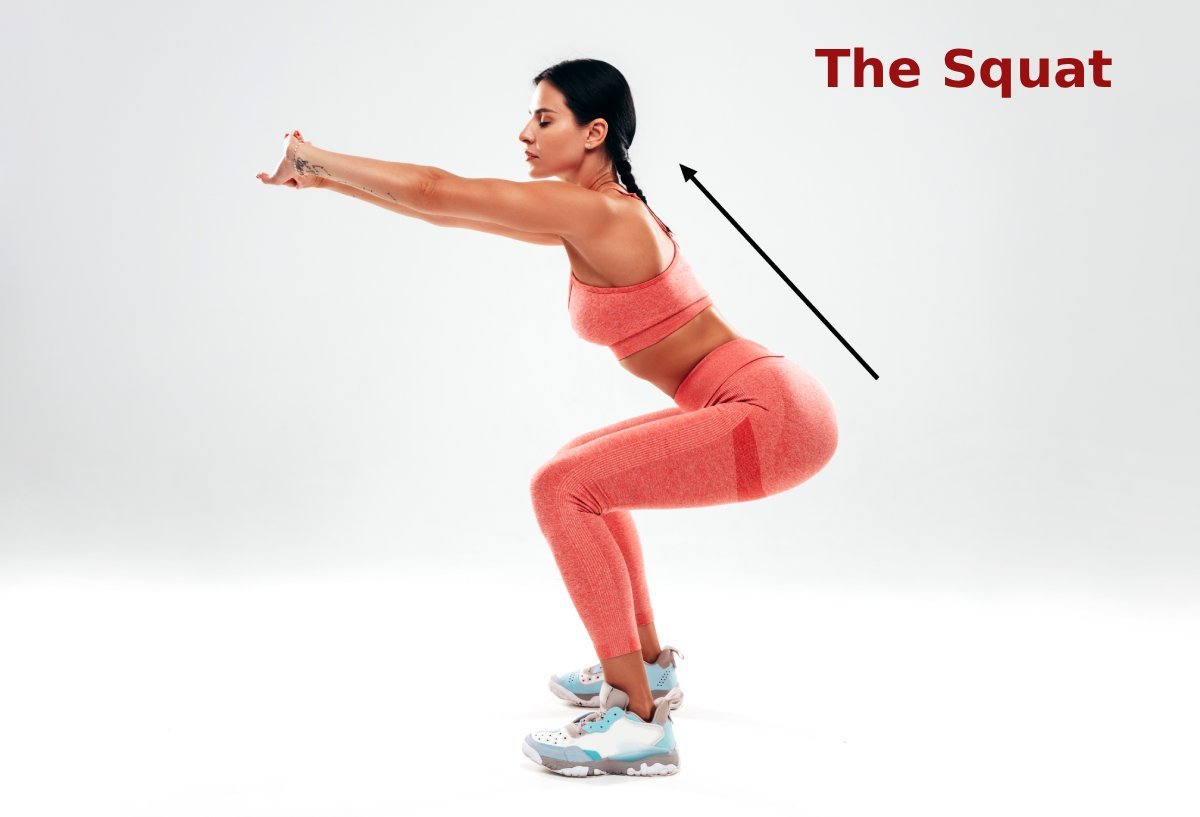
How to Perform a Safe Squat:
- Stand with your feet shoulder-width apart.
- Lower your hips back as if sitting in a chair.
- Keep your chest lifted and knees aligned with your toes.
- Return to standing and repeat.
For beginners, you can start with a chair squat—sit down slowly and stand back up without using your hands. Over time, you can progress to bodyweight squats or add light weights for resistance.
2. Modified Crunch: Strengthening Your Core Safely
Traditional crunches can strain the neck and lower back, especially as we age. That’s where the modified crunch comes in—it provides core-strengthening benefits without the same risks. A strong core is essential for balance, posture, and preventing back pain, making it one of the most vital anti-aging exercises.
Why Modified Crunches Are Anti-Aging:
- Protects spinal health while building core stability.
- Supports better posture, which helps you appear taller and more youthful.
- Reduces the risk of back injuries in daily life.
-
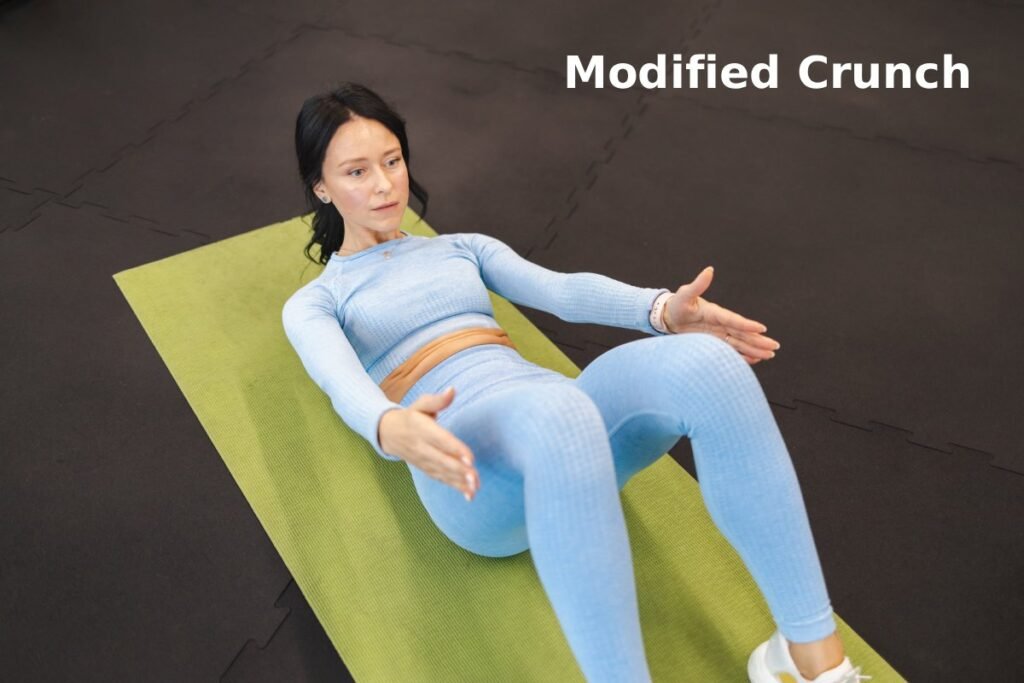
Woman doing abs sit-up exercise in gym
How to Do a Modified Crunch:
- Lie flat on your back with knees bent and feet on the floor.
- Cross your arms over your chest or keep them at your sides.
- Lift your shoulders a few inches off the ground, engaging your core.
- Slowly lower back down without jerking.
The focus should be on small, controlled movements—not on how high you can lift. Quality beats quantity here.
3. Reverse Lunges: Protecting Your Joints While Building Strength
Lunges are excellent for strengthening your legs, but reverse lunges are particularly effective for aging adults because they’re easier on the knees than forward lunges. They also challenge your balance, coordination, and flexibility—all areas that tend to decline with age.
I remember feeling wobbly the first time I tried reverse lunges, but within a couple of weeks, my balance improved noticeably. That simple progress reminded me how powerful, consistent, well-chosen exercises can be when it comes to aging well.
Why Reverse Lunges Are Essential:
- Improves single-leg strength and stability.
- Enhances hip flexibility and joint health.
- Mimics real-life movements like stepping backwards or sideways, improving mobility.
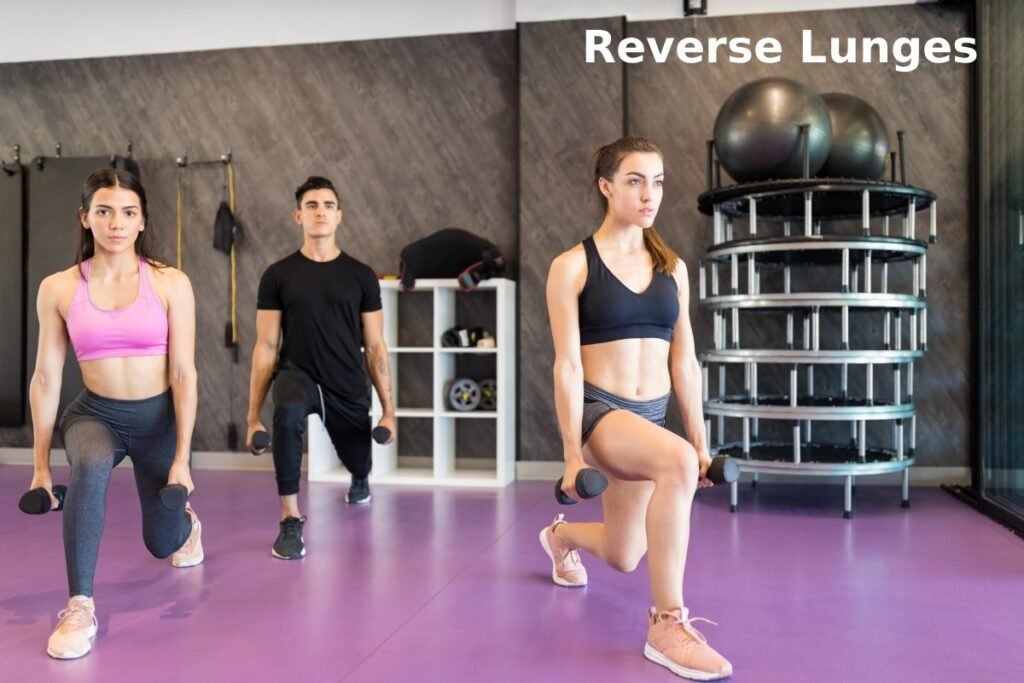
How to Do a Reverse Lunge:
- Stand tall with your feet together.
- Step one leg back, lowering your hips until both knees are bent at about 90 degrees.
- Push through your front heel to return to standing.
- Alternate legs.
If balance is an issue, perform reverse lunges next to a wall or sturdy chair for support. Over time, your balance will improve naturally.
4. Modified Push-Up: Building Upper Body and Core Strength
Push-ups are a classic strength-building exercise, but they can be tough for beginners or those with wrist and shoulder issues. The modified push-up—performed on your knees—provides the same benefits while being more accessible. Strong arms, chest, and shoulders are essential not only for fitness but also for independence in everyday activities like lifting groceries or opening jars.
Why Modified Push-Ups Are Anti-Aging:
- Builds upper-body strength, which declines rapidly with age.
- Strengthens the core, improving posture and stability.
- Keeps shoulder joints mobile and healthy.
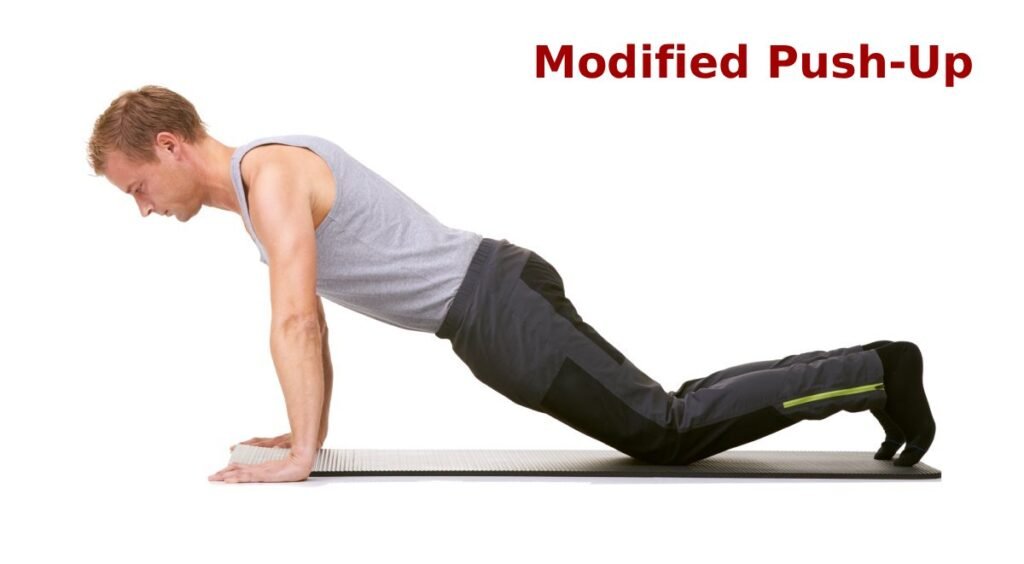
Dedicated to fitness.
How to Do a Modified Push-Up:
- Start on your hands and knees, with your hands slightly wider than shoulder-width apart.
- Keep your body in a straight line from head to knees.
- Lower your chest toward the floor, keeping elbows slightly tucked in.
- Push back up to the starting position.
Over time, you may progress to full push-ups, but even the modified version offers incredible benefits.
5. Glute Bridge: Strengthening the Posterior Chain
The glute bridge may look simple, but it’s one of the most powerful exercises for reversing muscle loss. It activates the glutes, hamstrings, and lower back muscles that often weaken with prolonged sitting. This exercise also strengthens your core and improves hip mobility, both of which are vital for healthy aging.
Why Glute Bridges Are Effective for Anti-Aging:
- Strengthens the glutes, reducing back pain and improving posture.
- Supports hip health and mobility.
- Enhances athletic performance and stability.
How to Perform a Glute Bridge:
- Lie flat on your back with knees bent and feet flat on the ground.
- Place your arms by your sides with palms facing down.
- Press through your heels and lift your hips toward the ceiling.
- Hold for a few seconds before lowering back down.
For added challenge, you can hold the bridge position longer or perform single-leg glute bridges.
Putting It All Together: Your Anti-Aging Workout Plan
The beauty of these five exercises is that they can be combined into a simple, effective workout routine. In fact, many experts consider them among the best anti-aging exercises because they target strength, balance, and mobility all at once. Start with one set of each exercise, gradually increasing to two or three sets as your strength improves. This full-body workout takes less than 30 minutes and can be done anywhere without special equipment.
Consistency is more important than intensity. Performing these exercises three to four times a week can lead to noticeable improvements in strength, energy, and mobility, helping you feel younger and more active over time.
FAQs About Anti-Aging Exercises
-
Can exercise really reverse aging?
Exercise cannot stop the aging process, but it can slow down many of its effects. Strength training, cardio, and mobility work help maintain muscle mass, bone health, and energy levels, which are key to feeling younger for longer.
-
How often should I do anti-aging exercises?
Aim for at least three sessions per week, with rest days in between to allow muscles to recover. Consistency is key to seeing long-term benefits.
-
Do I need equipment for these exercises?
No, all five of these exercises can be done with just your body weight. However, adding light weights or resistance bands later can enhance results.
-
Are these exercises safe for beginners?
Yes, they are beginner-friendly and can be modified for different fitness levels. If you have existing health conditions, it’s best to consult your doctor before starting.
-
Can older adults in their 60s or 70s do these exercises?
Absolutely. These exercises are effective regardless of age, as long as they are performed safely and consistently.
Why These 5 Moves Are the Gold Standard
That’s why it’s important to focus on movements that are safe, effective, and backed by science as the gold standard for reversing muscle loss regardless of age. Muscle loss, also known as sarcopenia, is one of the most significant contributors to aging. The stronger your muscles, the younger and more capable your body feels. Regular exercise also helps manage stress, which plays a big role in how quickly or slowly we age.
If you want to age gracefully, the solution is clear: keep moving, stay strong, and let these exercises be your secret weapon to staying young.









UK’s Top Active Vitamin C Serums for Brightening – Smart Living UK
[…] Boosts collagen production for anti-ageing […]