


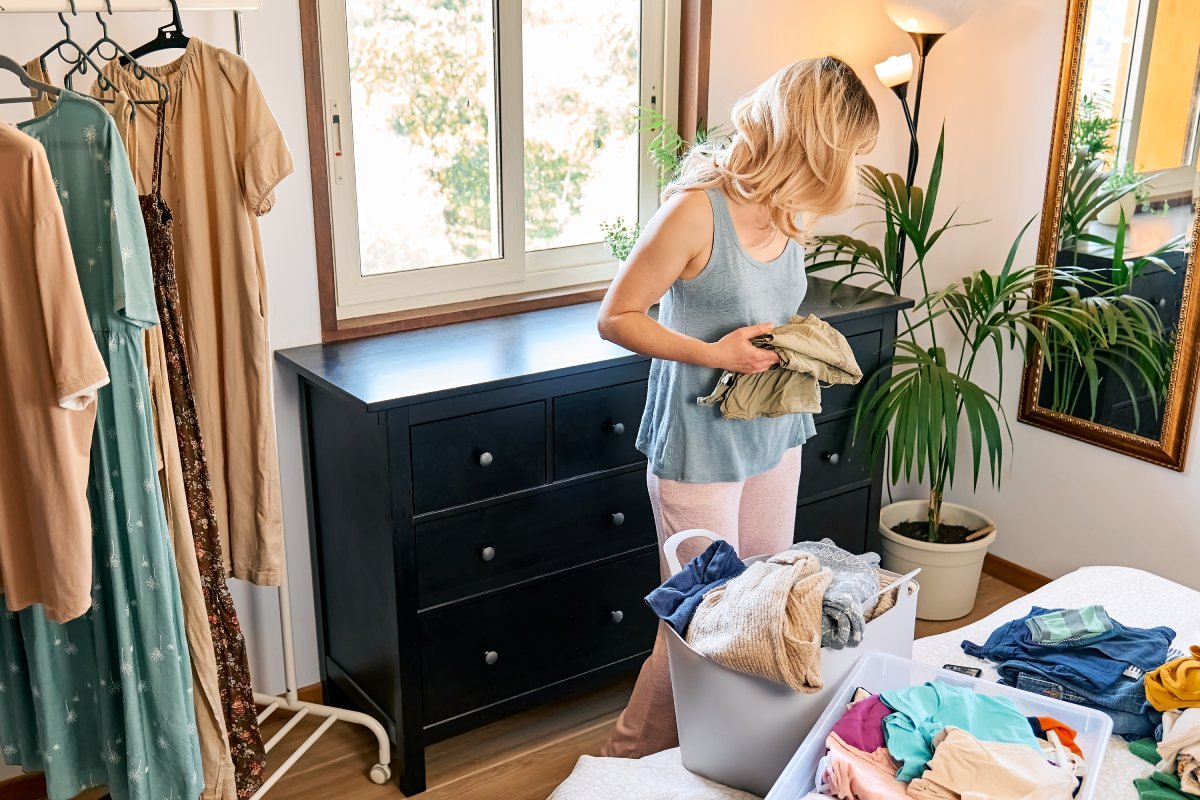
The feeling of decluttering is pure bliss. It’s a chance to clean and clear your space, calm your mind, and create a home that feels lighter and more intentional. But what if, in your haste to simplify, you’re tossing out items that could be putting cash back into your pocket? For years, I was guilty of this. Old books went straight to the charity shop, and vintage clothes were packed away in a box for an anonymous donation, never to be seen again. It was only after a friend showed me how to sell a few of my “useless” items online that I realised I was literally throwing money away.
This article is for you, the person who loves to declutter but wants to do it smarter. We’ll dive deep into nine categories of items you might be getting rid of that are surprisingly valuable, and I’ll share my personal tips and tricks for how to find their worth and sell them for a great price. It’s time to turn your clutter into cash!
1. Vintage and Designer Clothing, Bags, and Accessories
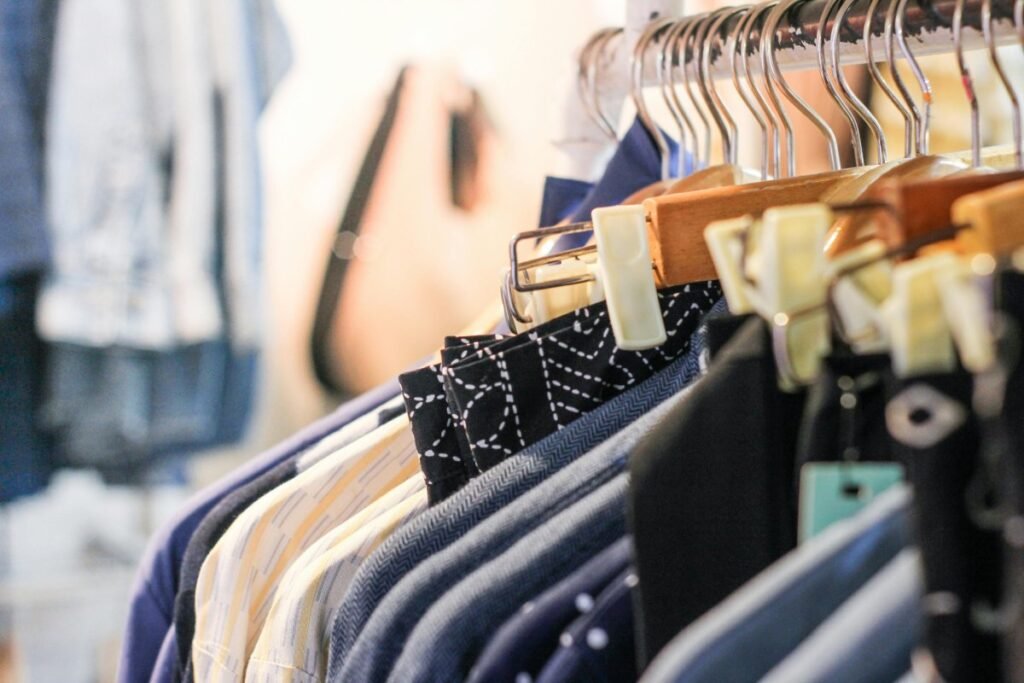
When it comes to clothing, the saying “one person’s trash is another’s treasure” couldn’t be truer. The fashion resale market is booming, and you’d be amazed at what people are willing to pay for items you no longer wear. This goes far beyond just high-end brands.
- The Value: The value of clothing and accessories is determined by several factors:
- Brand Name: High-end brands like Chanel, Louis Vuitton, and Gucci hold their value exceptionally well. But don’t overlook mid-range designers (e.g., Coach, Kate Spade) or popular high street brands (e.g., Zara, Topshop).
- Vintage Appeal: True vintage pieces (often from the 1990s or earlier) are highly sought after, especially unique items like well-preserved denim jackets, band t-shirts, or specific dress styles from a past decade.
- Condition: Items in “like new” or “excellent” condition will fetch the highest prices. Be honest about any wear and tear.
- Demand: Is the item part of a current trend or a classic style that’s always in demand? For instance, a classic trench coat or a pair of vintage Levi’s will almost always sell.
-
How to Check Value & Sell:
-
- Research. The easiest way to get an idea of value is to search for similar items on resale platforms like eBay, Vinted, or Depop. Filter your search to show “Sold” listings to see what buyers have actually paid.
- Take Great Photos. This is crucial. Use natural light, take multiple photos from different angles, and show any labels or unique details. A quick tip: take a photo of the item on a hanger against a plain wall or on a clean floor.
-
Choose Your Platform.
For Designer Items: Use curated consignment platforms like Vestiaire Collective or The RealReal. They handle authentication and shipping, taking a commission from the sale.
- For Vintage & High Street Items: Depop and Vinted are great for a younger, more fashion-forward audience, while eBay is an excellent option for a wide range of items.
2. Old Books
Before you donate your books, take a moment to see if any of them are more than just a good read. The used book market is vibrant, with collectors and readers alike constantly searching for specific titles.
- The Value: What makes a book valuable?
- First Editions: A true first edition (especially of a popular book) is the gold standard.
- Signed Copies: An author’s signature can significantly increase a book’s value.
- Out-of-Print Books: If a book is no longer being published, it becomes rarer and more desirable.
- Specialty Books: Look out for old textbooks, art books, or books with a unique or unusual design.
-
How to Check Value & Sell:
-
- Scan the ISBN. Use a free app like BookScouter or Ziffit. You can scan the book’s ISBN barcode, and the app will instantly show you what different buyback companies are offering for it. This is the fastest way to get a general idea of its worth.
- Check for Rare Books. If a book doesn’t appear on a buyback app, do a manual search on sites like AbeBooks or Biblio. These platforms specialise in rare and collectable books and can help you determine if your copy is valuable to a collector.
- Sell It. For common books, buyback sites are quick and convenient. For rare books, consider listing on a specialised platform or working with a local rare book dealer.
3. Old Toys and Collectables
Remember that box of old toys from your childhood? It’s time to dig them out. Many retro toys, even if they were mass-produced, have become highly sought-after collector’s items.
- The Value: Value is almost entirely based on rarity and condition.
- Original Packaging: A toy in its original, unopened box is a game-changer.
- Limited Editions: Toys from limited-edition releases or promotional tie-ins are more valuable.
- Pop Culture Icons: Toys from popular franchises like Star Wars, G.I. Joe, or Pokémon can fetch high prices.
- Specific Items: Look for original Beanie Babies with a tag error, certain Hot Wheels cars, or rare Pokémon trading cards.
-
How to Check Value & Sell:
-
- Check “Sold” Listings. As with clothing, your best friend is the “Sold” filter on eBay. Search for the exact name of the toy, including any model numbers or year of release.
- Join a Community. Join a Facebook group or an online forum dedicated to a specific collectable (e.g., “Vintage Star Wars Toy Collectors”). These communities can help you authenticate an item and give you an accurate idea of its worth.
- Decide on a Selling Method. For high-value items, consider a speciality auction house. For everything else, eBay is the top platform for collectors.
4. Vintage Paintings, Prints, and Art
Before you throw out that old painting that’s been gathering dust in the garage, take a closer look. What seems like a generic piece of art could be a forgotten treasure.
-
- The Value: The value of art can be complex, but here are some things to look for:
- Artist’s Signature: This is the most important factor. Even if you don’t recognise the name, a signed piece is a good sign. Research the artist to see if they are well-known or have a following.
- Provenance: Do you have any information about where the painting came from? An original receipt, an appraisal, or a story about how your family acquired it can significantly increase its value.
- Medium and Condition: Is it an original oil painting, a watercolour, or a print? Originals are always more valuable. Check for any damage like tears, fading, or mould.
- Framing: The frame itself can be a valuable antique. Don’t discard it.
- The Value: The value of art can be complex, but here are some things to look for:
-
How to Check Value & Sell:
-
- Consult an Expert. For a potentially valuable painting, an art appraiser is the best route. Many reputable auction houses offer free or low-cost appraisals.
- Search Online. Sites like Artnet and Invaluable have databases of auction results that can help you find similar works. Also, check the vintage sections of eBay and Etsy.
- Local Dealers. A local gallery or antique dealer might be interested in a unique piece and can offer a quick sale.
5. Old Electronics and Accessories
That drawer full of old phones, chargers, and tablets isn’t just taking up space—it’s a potential goldmine. The electronics resale market is massive, driven by people looking for cheaper alternatives or specific older models for collectors.
-
- The Value: Value depends on the brand, model, and condition.
- Smartphones & Tablets: Older iPhones, iPads, and Android devices still have significant value, even if they’re a few generations behind.
- Cameras: Old digital or film cameras, particularly from respected brands like Nikon, Canon, or Leica, can be very valuable.
- Laptops & Computers: Even a broken laptop might be worth money for its parts.
- The Value: Value depends on the brand, model, and condition.
-
How to Check Value & Sell:
-
- Check Online Services. Use a trade-in service like Music Magpie or Decluttr. You simply enter the model details and condition, and they give you an instant quote. This is a quick and easy way to get a baseline value.
- List It Yourself. For a potentially higher payout, list your item on platforms like eBay or Gumtree. Be sure to provide detailed specifications (model number, storage size) and a clear description of the item’s condition, including any defects.
- Erase Your Data. Before you sell any electronic device, make sure you’ve backed up and completely wiped all your personal data. This is a crucial safety step.
6. Antique Furniture
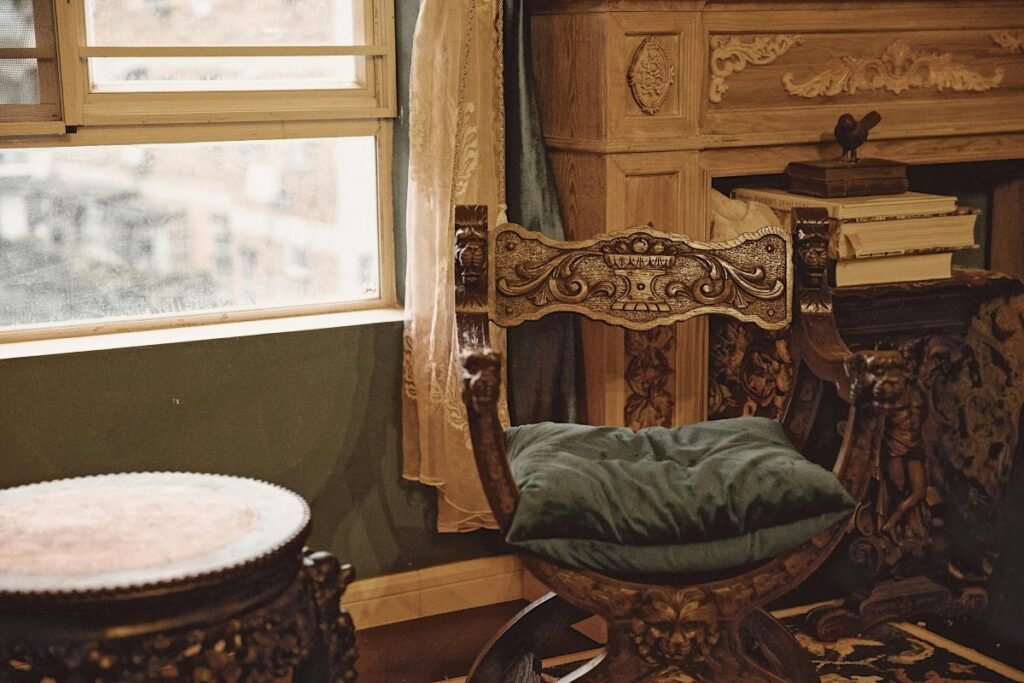
That old chest of drawers from your grandparents might not fit your modern aesthetic, but its history and craftsmanship could make it very valuable.
-
The Value: The value of antique furniture is determined by:
- Age and Provenance: How old is the piece? Do you know its history or who made it?
- Condition: Is it well-preserved? Are there any major structural issues, or is the damage minor and superficial?
- Style and Rarity: Is it a unique piece or a common design? Is it a desirable style, like mid-century modern or Art Deco?
- Wood Type: Furniture made from high-quality woods like mahogany, oak, or cherry is often more valuable.
-
How to Check Value & Sell:
-
- Get a Professional Opinion. For significant pieces, a professional appraiser is the best way to determine its worth.
- Take Photos & Research. Take well-lit photos of the entire piece, as well as close-ups of any unique carvings, hardware, or markings. Search online marketplaces like Ruby Lane, 1stDibs, or even the vintage section of Etsy to find similar pieces and their prices.
-
Find a Buyer.
-
- Auction Houses: For very valuable pieces, an auction house like Sotheby’s or a local one specialising in antiques can get you the best price.
- Local Dealers: Antique dealers often buy pieces directly. They may not offer the top price, but it’s a quick and hassle-free sale.
- Online Marketplaces: For easier, smaller pieces, consider listing on Facebook Marketplace or Gumtree for a local pickup to avoid shipping costs.
7. Old Coins and Stamps
While you might think that old coins and stamps are only for serious collectors, many people have valuable items hidden in old jars or albums without even knowing it.
-
The Value: Most common coins and stamps are worth their face value, but a few key things can make them valuable:
- Rarity: Coins with low mintage figures (how many were produced) or stamps from a limited run are valuable.
- Condition: The better the condition, the higher the value.
- Errors: A coin with a minting error or a stamp with a printing mistake is a collector’s dream.
- Precious Metals: Older coins (pre-1947 in the UK) may contain real silver, making their metallic content more valuable than their face value.
-
How to Check Value & Sell:
-
- Research Specifics. Look for a unique design, a specific year, or a series name. Websites like the Royal Mint’s “Change Checker” can help you identify rare UK coins.
- Get an Appraisal. For any coins or stamps you suspect are valuable, it’s worth getting a free appraisal from a professional numismatist (coin expert) or philatelist (stamp expert).
- Sell It. Local coin or stamp dealers are a good option. For a wider audience, list on eBay or a specialised auction site.
8. Vintage & Unused Craft Supplies
If you’re a hobbyist, you might have a hidden stash of valuable craft supplies, yarn, or fabrics you bought years ago and never used.
-
The Value:
-
- Vintage Patterns & Fabric: Old sewing patterns or unique vintage fabrics are highly sought after by designers and crafters.
- Discontinued Yarn: A specific type of yarn that has been discontinued can be worth money to a knitter trying to finish a project.
- Unused Kits: Unopened embroidery, cross-stitch, or model-building kits can sell well.
-
How to Check Value & Sell:
-
- Search by Name. Use the specific brand name, colour, and model number of the item. Search for it on eBay or Etsy.
- Join a Community. Join a Ravelry group for a specific yarn or a Facebook group for a specific craft. They’ll know the market and may even have a buyer.
9. Jewelry & Watches
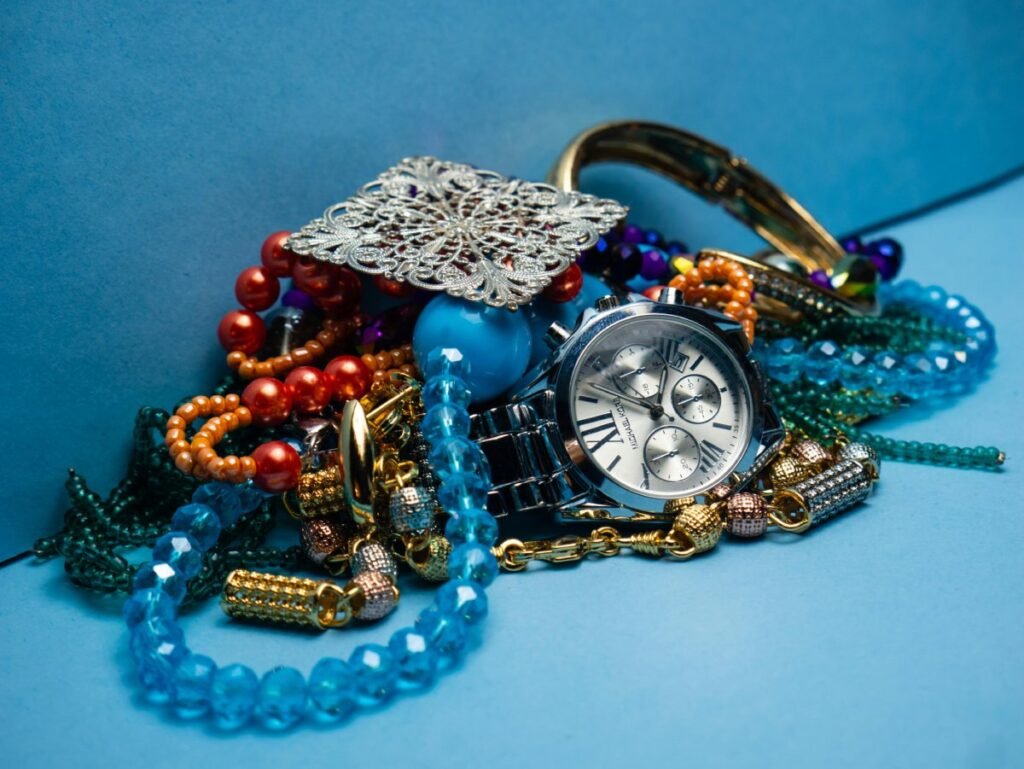
Jewelry and watches can accumulate over the years, often ending up forgotten in drawers or boxes. But even outdated or broken pieces can have value.
Gold, silver, and platinum jewelry retain melt value regardless of condition. Branded watches (Rolex, Seiko, Omega) or even costume jewelry from recognizable designers can also fetch good prices.
What to look for:
-
Gold or silver chains, rings, and bracelets
-
Designer or vintage watches
-
Broken jewelry (can still be sold for parts or melt value)
-
Pearls, gemstones, or heirloom pieces
Where to sell:
-
Local jewelers or pawn shops – quick cash offers
-
Worthy or Etsy – trusted online buyers
-
Auction sites – for rare or collectible items
Pro Tip: Always get multiple quotes before selling. You may get very different offers.
Final Words of Advice: Start Small
The secret to making money from decluttering is to start small. Don’t get overwhelmed. Pick one or two categories from this list—the ones that feel most manageable—and go through them. You’ll be amazed at what you find. Not only will you have a tidier home and a clearer mind, but you might just find a nice little sum of money waiting for you in those forgotten corners of your home. It’s proof that sometimes, getting rid of things is the most profitable thing you can do.



Your Decluttering Guide - womenwellness.co.uk
[…] ultimate guide to decluttering will walk you through everything you need to know: what decluttering really means, why it matters, […]