


Have you ever walked into a room and immediately sensed whether the atmosphere was calm, tense, or joyful—without anyone speaking a word? That subtle awareness may be connected to what many traditions call the aura, an energy field believed to surround all living beings. Understanding auras helps explain these subtle energy shifts and how they affect your daily life.
Though modern science does not fully explain the aura, interest in energy fields has grown, especially in wellness, mindfulness, and spiritual circles. By learning to read and understand your aura, you can gain valuable insights into your emotional state, your relationships, and even your personal growth.
One resource making understanding auras more approachable is the aura color wheel, which offers a practical way to interpret aura colors and apply them to daily life.
What Is an Aura?
An aura is often described as a glowing field of energy that extends outward from the body. In different traditions, it is connected to concepts like the chakras in Hinduism, Qi in Chinese philosophy, or even the human biofield in modern integrative medicine.
While not visible to everyone, people who work with auras often describe them in terms of color, brightness, and intensity, which reflect different aspects of well-being. For example, a strong, vibrant aura might suggest balance and vitality, while a dull or uneven aura might indicate stress or fatigue.
The Aura Color Wheel: Helen Ye Plehn’s Approach
Helen Ye Plehn’s Aura Colour Wheel simplifies the process of interpreting auras. Instead of relying on vague descriptions, she organises aura colors into a practical guide.
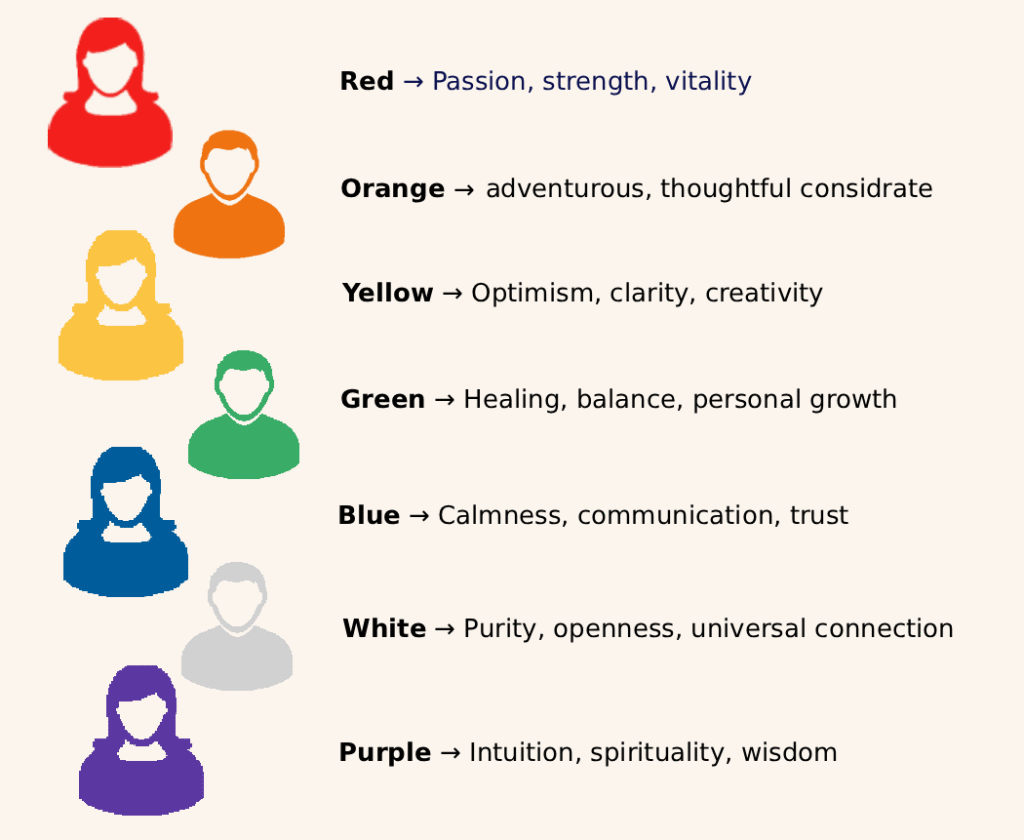
- Blue → Calmness, communication, trust
- Green → Healing, balance, personal growth
- Yellow → Optimism, clarity, creativity
- Purple → Intuition, spirituality, wisdom
- Red → Passion, strength, vitality
- White → Purity, openness, universal connection
What makes her work stand out is that it bridges ancient traditions with modern wellness language. Readers can use the wheel to connect aura colours with everyday emotions and situations, making the concept more useful and less abstract.
Example: If you’re working on self-expression, Plehn’s approach might suggest focusing on blue energy—through journaling, speaking your truth, or practising deep breathing exercises.
Why Learning to Read Your Aura Can Be Transformative
Understanding your aura isn’t about fortune-telling; it’s about becoming more attuned to your own inner life.
Here’s why many find aura reading transformative:
1. Emotional Awareness
By noticing your aura’s colors or sensations, you can uncover emotions you might be ignoring. For example, seeing cloudy blue might highlight that you’ve been holding onto unspoken words or communication blocks.
2. Stress Management
When stress builds up, it often shows in your energy first—before you notice physical symptoms. Recognising changes in your aura can help you take action earlier, whether through rest, exercise, or mindfulness practices.
3. Self-Confidence and Growth
Interpreting your aura can boost self-trust. Many people find that once they start recognising patterns in their energy, they become more confident in making life decisions.
4. Better Relationships
Your aura isn’t just about you. Learning to sense others’ energy—calm, anxious, vibrant—can help you approach relationships with more compassion.
When I first practised aura meditation before social gatherings, I noticed I felt calmer and more open. It wasn’t about changing others, but about entering the space with balanced energy, which led to smoother interactions.
How to See or Sense Your Aura
Some people can immediately perceive auras, while for others, it takes patience and practice. Here are several techniques, explained in more detail:
Mirror Technique
Stand in front of a plain background with soft, indirect light. Relax your gaze on your reflection, particularly around the shoulders and head. With focus, you might notice a faint glow or colored haze around your body.
Tip: Practice at the same time of day with consistent lighting for best results.
Hand Energy Practice
Hold your hands 6–8 inches apart, palms facing each other. Slowly move them closer and farther. Many people feel warmth, tingling, or even resistance—signs of energy fields interacting.
Tip: Try closing your eyes and focusing on the sensations instead of visuals.
Meditation and Visualisation
Sit quietly, close your eyes, and imagine a glowing light around your body. Over time, colours or shifting shades may appear. Even if you don’t see them clearly, notice how the visualisation affects your mood.
Using Photography and Technology
Some wellness centres offer aura photography, where specialised cameras capture energy patterns. While these are debated in terms of accuracy, many find them useful as a starting point for reflection.
Cleansing and Strengthening Your Aura
Just like your body benefits from regular care, your aura can be nurtured too. Cleansing practices are meant to release negativity and restore balance.

Nature and Grounding
Spending time outdoors, especially walking barefoot on grass, sand, or soil, is believed to stabilise energy. Nature acts as a natural cleanser for the aura.
Breathing and Energy Work
Deep, rhythmic breathing helps release stagnant energy. Practices like pranayama (yogic breathing) or simply pausing for 10 mindful breaths can have a powerful effect.
Meditation with Colour Visualisation
Imagine a white or golden light surrounding your body. Over time, you can visualise specific colors from the aura wheel that match what you want to strengthen—green for healing, yellow for optimism, purple for intuition.
Sound and Vibration
Chanting, listening to calming music, or using instruments like Tibetan singing bowls can shift your energy. Sound vibrations are thought to realign the aura’s frequencies.
Crystals and Smudging
Crystals such as amethyst (calm), rose quartz (love), or citrine (energy) are often used. Smudging with sage or palo santo is another common cleansing ritual.
I once incorporated a short morning ritual of sitting with a rose quartz stone, visualising a pink glow around my chest area. Over a few weeks, I noticed I felt less irritable and more compassionate in daily life.
Auras in Modern Wellness
Auras are no longer only discussed in spiritual communities. They are now part of mainstream wellness trends:
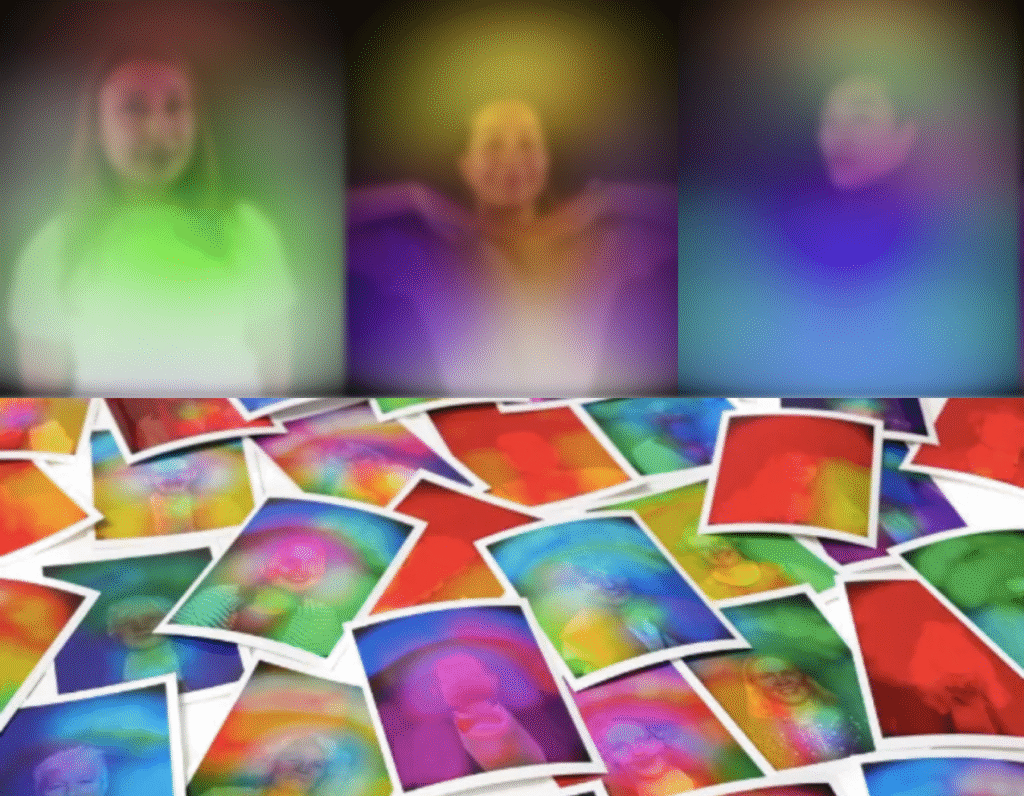
- Aura Photography Booths at festivals and wellness centres.
- Yoga and Chakra Healing classes often include aura visualisation.
- Reiki Energy Healing sessions focus on balancing the aura.
- Mindfulness Practices use aura awareness to enhance meditation.
Many therapists and coaches even use aura concepts metaphorically. They encourage clients to reflect on “the energy you bring into the room,” which is essentially another way of talking about aura presence.
The popularity of tools like Helen Ye Plehn’s Aura Color Wheel shows how people are seeking holistic practices that combine science, spirituality, and self-care.
Common Misconceptions About Auras
1. Auras Are “Magical” Powers
Reality: You don’t need special powers to sense an aura. It’s more about awareness and reflection than mystical gifts.
2. Auras Replace Medical Care
Reality: Aura readings are not diagnostic tools. If you’re unwell, you should consult a medical professional. Aura practices are best viewed as complementary wellness tools.
3. Everyone Sees the Same Colours
Reality: Aura perception is subjective. Two people might interpret the same aura differently, and that’s okay.
4. Auras Never Change
Reality: Auras shift constantly. Your energy field can look very different when you’re relaxed versus when you’re stressed.
5. Only “Spiritual People” Can Learn Aura Reading
Reality: Anyone can practice aura awareness. You don’t need to follow a religion or spiritual tradition—it’s a universal human practice of mindfulness and energy awareness.
FAQs About Auras
Q1: Can everyone learn to read their aura?
Yes, with practice. Some people are more visually oriented, while others sense energy through feelings or physical sensations.
Q2: Are aura colors linked to chakras?
Many traditions connect aura colors to chakra energy centers, but interpretations vary. For example, blue often relates to the throat chakra, associated with communication.
Q3: Do negative auras exist?
Rather than being “good” or “bad,” auras simply reflect your current state. If your aura feels heavy, it may be a sign you need rest, self-care, or emotional release.
Q4: How can I use my aura in daily life?
You can use aura awareness for stress management, meditation, improving relationships, and setting healthy boundaries.
Conclusion
Learning to understand and interpret your aura is less about mystery and more about self-discovery. By practicing techniques to sense, cleanse, and strengthen your aura, you can create more balance in your life.
Helen Ye Plehn’s Aura Color Wheel is one of the most accessible guides for beginners, offering a way to link colors with emotions and personal growth. Whether you approach aura reading as a spiritual practice, a mindfulness tool, or simply a new perspective on energy, it has the potential to transform your awareness of yourself and the world around you.











Leave a Reply