


Managing stress is something every woman deals with at some point, no matter her age, lifestyle, or background. But for active women—whether you’re balancing fitness, work, family, or social commitments—the challenge can feel even greater. The good news is that stress can be managed with practical, sustainable techniques that not only support mental health but also enhance physical well-being.
In this guide, we’ll explore stress management techniques for active women, backed by research and real-life experiences. You’ll learn how movement, mindfulness, sleep, nutrition, and lifestyle changes can help you feel calmer, stronger, and more balanced every day.
Why Stress Management Matters for Active Women
Being “active” doesn’t just mean going to the gym or running marathons. It also describes women who lead busy, dynamic lives filled with responsibilities and commitments. But a busy life often leads to chronic stress, which can affect:
- Energy levels (feeling drained even after rest).
- Workout performance (slower recovery, lower motivation).
- Hormonal balance (cortisol spikes linked to stress).
- Mental clarity (difficulty focusing).
- Long-term health (higher risk of heart disease, anxiety, or burnout).
For active women, managing stress isn’t optional—it’s an essential part of maintaining both physical fitness and emotional resilience.
1. Mindful Movement: Using Exercise to Relieve Stress
Physical activity is one of the most effective natural stress relievers. Exercise lowers cortisol, boosts endorphins, and creates a sense of accomplishment.
Best Workouts for Stress Relief
- Walking or Jogging: A brisk 20–30 minute walk can work wonders for clearing the mind. Unlike intense workouts, walking is gentle on the joints and easy to fit into a busy day. If you’re a jogger, the rhythmic pounding of your feet can feel almost meditative, like a moving form of therapy.
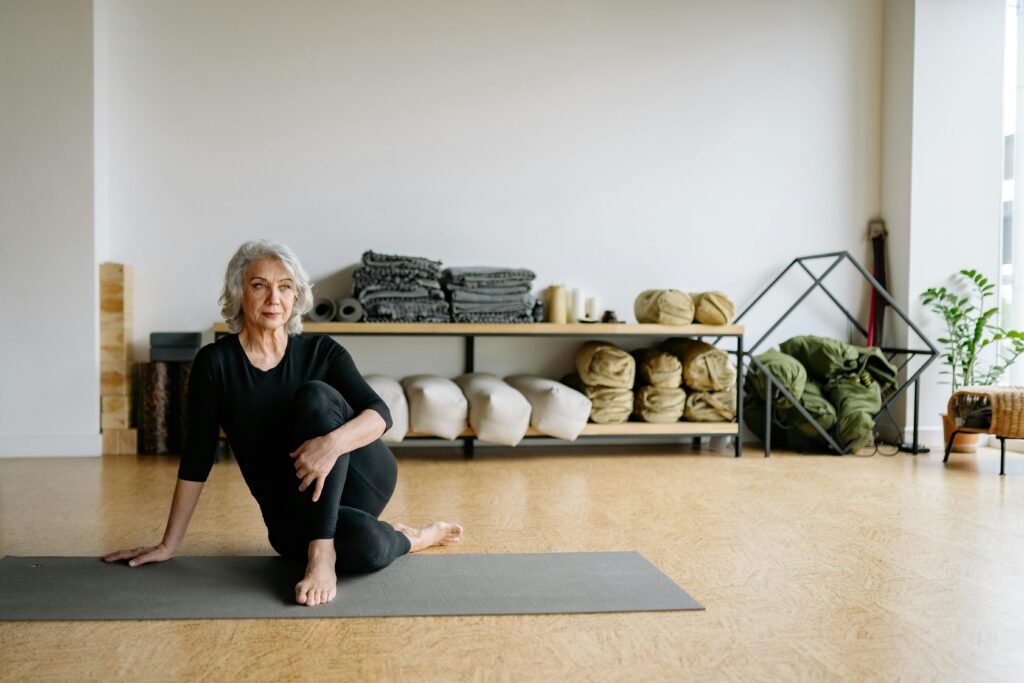
- Yoga: Beyond flexibility, yoga combines mindful breathing with postures that relax tense muscles. Even 10 minutes of yoga before bed can help you unwind. Styles like restorative yoga or Yin yoga are especially calming.
- Strength Training: Lifting weights isn’t just about building muscle—it can also help you channel stress into something productive. The focus required for strength exercises pulls your attention away from stressors and into the present moment.
- Swimming: Water has a natural calming effect. The weightlessness and repetitive strokes of swimming create a sense of flow that reduces anxiety.
I’ve found that even a short 20-minute walk after a stressful day helps me reset. The rhythm of my steps, combined with fresh air, makes me feel calmer and more present.
Tip: Pair your workouts with calm playlists or guided breathing exercises to maximise stress relief.
2. Breathing Techniques for Instant Calm
Controlled breathing is one of the simplest, fastest ways to reduce stress. By focusing on your breath, you send signals to your nervous system to relax.
Try These Breathing Exercises
- Box Breathing (4-4-4-4 method): Inhale 4 seconds → Hold 4 seconds → Exhale 4 seconds → Hold 4 seconds. This method is often used by athletes and even military professionals to stay calm in high-stress situations.
- 4-7-8 Breathing: Inhale 4 → Hold 7 → Exhale 8. This technique helps slow down your heart rate and prepare your body for rest, making it ideal before sleep.
- Diaphragmatic Breathing: Instead of shallow chest breaths, breathe deep into your belly. Place a hand on your stomach—if it rises with each inhale, you’re doing it right. This oxygenates your body more efficiently and calms the nervous system.
I started practising box breathing before important meetings, and it instantly reduced my racing thoughts. Even just 5 minutes of intentional breathing can make you feel grounded again.
3. The Role of Nutrition in Stress Management
Food can fuel your resilience—or add to your stress. For active women, nutrition plays a huge role in both energy levels and emotional balance.
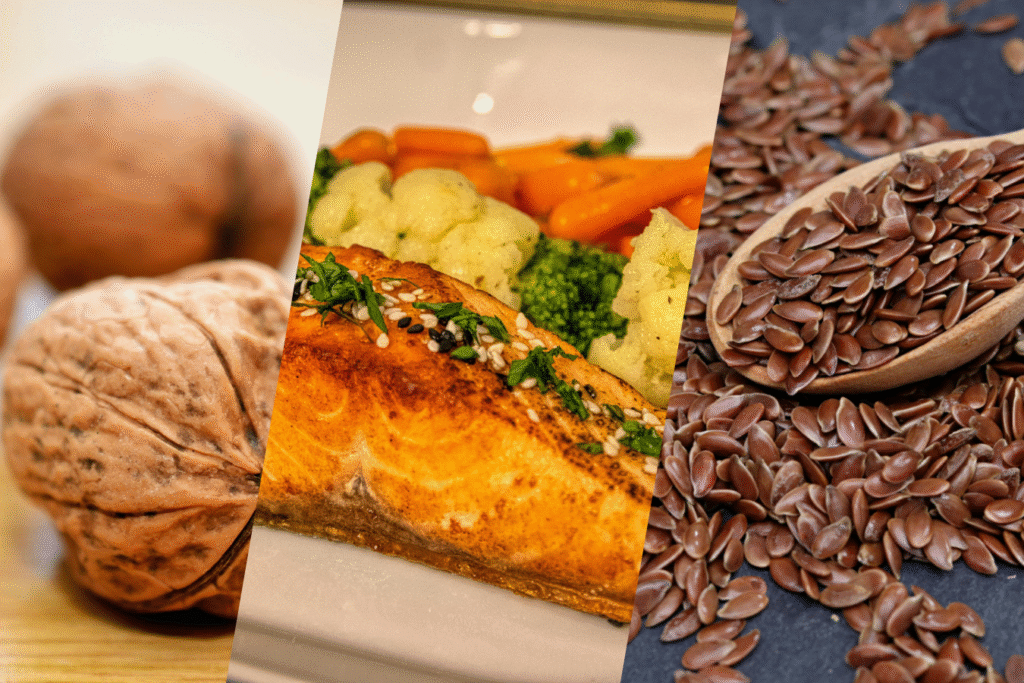
Stress-Reducing Foods
- Complex carbs: Oats, quinoa, and sweet potatoes stabilise blood sugar, preventing energy crashes that worsen stress. Balanced blood sugar = balanced mood.
- Leafy greens: Spinach, kale, and Swiss chard are rich in magnesium. Magnesium deficiency is linked to anxiety and tension, so leafy greens act as natural relaxants.
- Omega-3 fats: Foods like salmon, walnuts, and chia seeds reduce inflammation and protect brain health. Omega-3s are proven to support emotional regulation and lower anxiety.
- Herbal teas: Chamomile is calming, peppermint aids digestion, and green tea contains L-theanine, which promotes focus without jitters.
Avoid: Excess caffeine, sugary snacks, and alcohol. These might give short bursts of energy but often lead to crashes and restless sleep.
Switching from multiple cups of coffee to green tea during high-stress weeks has made my energy more stable throughout the day.
Pro tip: Keep a “stress snack kit” at work or in your bag—nuts, dark chocolate, and fruit are quick options that nourish instead of stress your system further.
4. Sleep: The Foundation of Stress Management
Without quality sleep, stress is harder to manage. Active women often sacrifice sleep for workouts, work, or family—but recovery happens at night.
How to Improve Sleep Naturally
- Stick to a consistent schedule: Going to bed and waking up at the same time helps regulate your body’s internal clock.
- Limit screen time: The blue light from phones and laptops interferes with melatonin production. Swap scrolling for reading or journaling.
- Create a restful environment: A cool, dark, and quiet bedroom helps signal your body that it’s time to rest. Weighted blankets and blackout curtains can also help.
- Bedtime rituals: Stretching, drinking herbal tea, or writing a gratitude list can prepare your mind for rest.
NHS recommends 7–9 hours of sleep for adults. Women who exercise regularly should lean toward the higher end since muscles need extra recovery. I used to think staying up late to “catch up” on emails made me productive. In reality, I was groggy the next day. Once I prioritised 8 hours of sleep, my workouts improved and my mood was noticeably calmer.
5. Time Management and Setting Boundaries
One hidden cause of stress for active women is overcommitment. Managing time effectively and setting boundaries can help you feel more in control.
Practical Tips
- Use planners or apps: Tools like Google Calendar or Notion can help you visually see where your time is going. Blocking time for both workouts and rest ensures balance.
- Say no with confidence: Many women feel guilty turning down requests, but every “yes” to something unimportant is a “no” to self-care.
- Prioritize by importance: Use the Eisenhower Matrix—divide tasks into urgent, important, or optional. This helps avoid overwhelm.
- Schedule downtime: Treat relaxation like an appointment. Mark it in your calendar as non-negotiable time for yourself.
I began scheduling 15-minute “reset breaks” in my workday to stretch or sip tea, and it significantly reduced afternoon stress.
Boundary-setting is not selfish—it’s essential for sustainable energy.
6. Mindfulness and Meditation
Mindfulness is about being fully present instead of worrying about the past or future. Meditation helps you create that space of calm. I started journaling every morning for five minutes. It cleared my mental clutter and made the day feel less overwhelming.
Easy Mindfulness Practices
- Guided meditation apps: Apps like Headspace or Calm provide short meditations you can do on a lunch break.
- Gratitude journaling: Writing down three things you’re grateful for daily shifts your mindset toward positivity.
- Mindful eating: Slow down, chew thoroughly, and savor your food. This prevents stress-eating and improves digestion.
- Body scan meditation: Lie down, close your eyes, and mentally check in from head to toe, noticing areas of tension.
Practising just 10 minutes of mindfulness daily can improve focus, reduce anxiety, and increase resilience.
7. Social Connections and Support

Human connection reduces stress hormones and boosts feelings of safety. For active women, combining social life with movement is a win-win.
Ways to Connect
- Join a walking group: Walking while chatting is low-pressure and physically refreshing.
- Active catch-ups: Instead of coffee dates, meet friends for yoga or a hike.
- Online communities: Fitness or wellness groups can provide encouragement and accountability.
I joined a weekend cycling group with other women, and the laughter plus movement always leaves me feeling lighter.
Social connection is as important for stress relief as diet and exercise.
8. Creative Outlets as Stress Therapy
Creativity is deeply therapeutic. Engaging in creative wellness activities helps balance the active lifestyle with moments of reflection.
Ideas to Try
- Painting or journaling: Expressing thoughts and emotions visually or in writing is a proven stress reliever.
- Dancing: Movement doesn’t have to be structured. Free dancing to your favorite music helps release pent-up energy.
- Gardening or cooking: These allow you to connect with nature or create something nourishing with your hands.
- DIY crafts: Knitting, scrapbooking, or pottery engage focus and bring a sense of accomplishment.
During a stressful month, I started journaling before bed. Writing my thoughts down helped me release tension and sleep better.
Creative activities put the brain into a “flow state,” where worries fade into the background.
9. Professional Help When Needed
Sometimes stress becomes overwhelming, and professional support is necessary. Therapy, counselling, or support groups can provide tools tailored to your unique needs.
When to Seek Help
- If stress interferes with daily functioning.
- If sleep problems persist despite lifestyle changes.
- If you notice symptoms of anxiety or depression.
- If you feel unable to manage emotions on your own.
Remember, asking for help is a strength, not a weakness.
FAQs About Stress Management for Active Women
1. What is the best quick stress relief technique?
Deep breathing and short walks are the fastest, most effective techniques.
2. Can exercise ever increase stress?
Yes, overtraining without proper rest can elevate cortisol. Balance workouts with recovery.
3. How many minutes of exercise help with stress?
NHS recommends 150 minutes of moderate activity per week (walking, cycling, swimming) or 75 minutes of vigorous activity.
4. Is stress management different for women over 50?
Hormonal changes like menopause can affect stress levels, so lifestyle habits (nutrition, sleep, strength training) are especially important.
5. Can meditation replace workouts for stress relief?
Meditation and workouts serve different purposes. Together, they form a complete stress management strategy.
Final Thoughts
Stress is part of life, but it doesn’t have to control you. For active women, combining movement, mindfulness, sleep, nutrition, and support creates a powerful foundation for resilience.
Remember: Stress management isn’t about perfection. It’s about finding small, realistic habits you can maintain—whether that’s a 10-minute walk, a breathing exercise, or saying “no” when your plate is too full.
If you’re ready to combine stress relief with fitness, check out our guide to the 3-Step Workout for Women Over 50—a simple way to move your body and calm your mind.










Understanding Auras: How Reading Your Energy Can Transform Your Life - womenwellness.co.uk
[…] Stress Management for Women: Simple Techniques […]